
Cost Comparison: Early Treatment vs. Emergency Care
The financial impact of healthcare varies dramatically depending on whether health conditions are addressed early or at the emergency stage. Early treatment through preventive care typically avoids the high costs associated with emergency interventions, hospital admissions, and complex procedures. For instance, managing hypertension or diabetes through regular monitoring and medication in a timely manner can cost a fraction of treating a stroke, heart attack, or uncontrolled diabetes complications that result from ignoring these conditions.
Data from healthcare studies suggest that widespread use of effective preventive interventions can save billions by reducing emergency admissions. Michael P. Pignone from the University of North Carolina notes that focusing on tertiary preventive care could produce savings of around $45 billion annually in the US alone, largely because chronic conditions demand expensive treatments when left uncheckedSource: NCBI Bookshelf.
In contexts where IHDF works, such as rural Bangladesh and Ghana, the cost discrepancy is even more stark. When patients attend early clinics, issues like infections or maternal complications can be managed with basic treatments, preventing costly emergency transfers, surgical interventions, or long hospital stays.
Benefits of Regular Clinics and Screenings
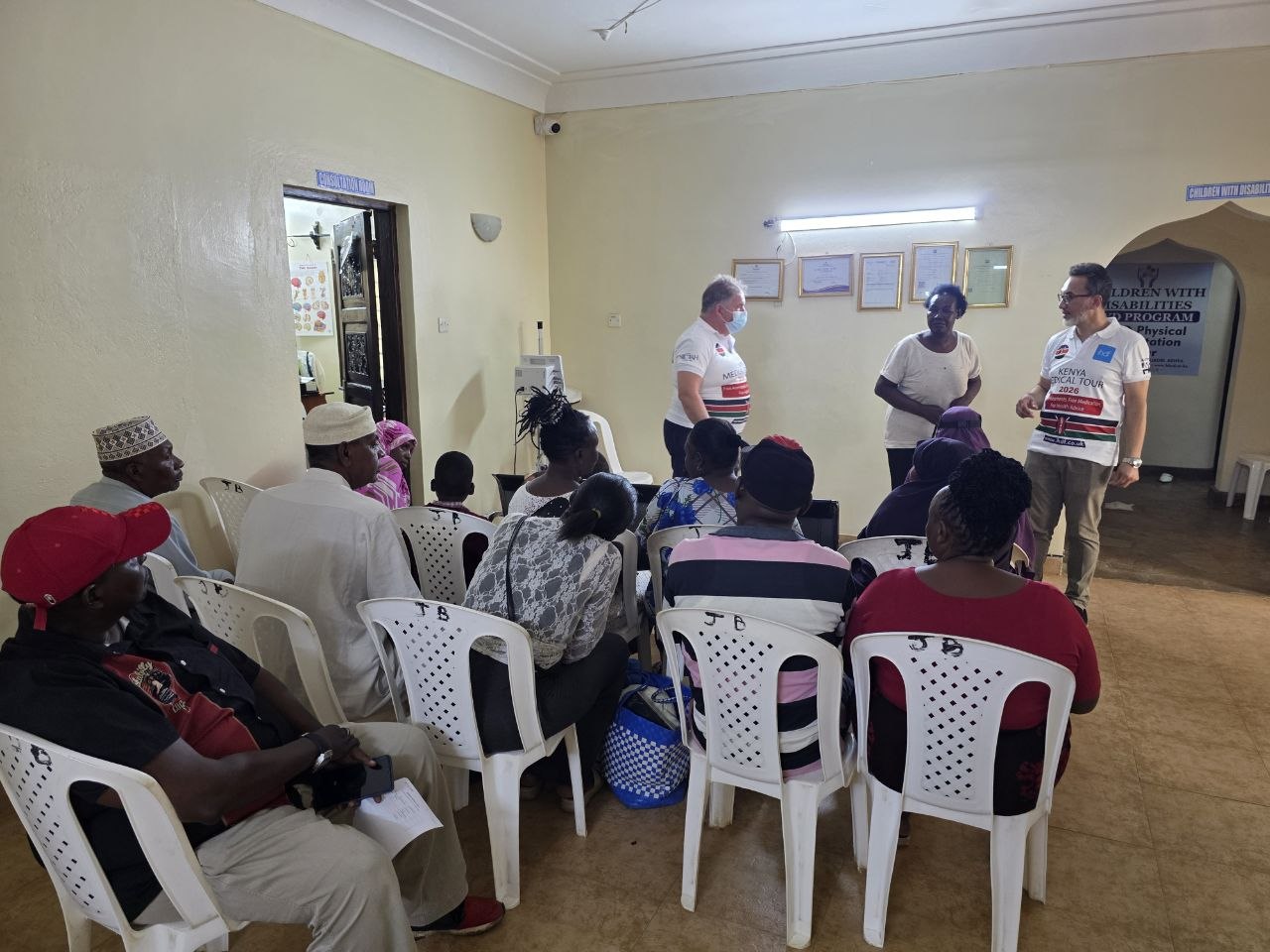
IHDF’s monthly free clinics provide consistent health check-ups and screenings that identify common but potentially serious conditions early. Conditions such as hypertension and diabetes often develop silently, yet early detection allows for simple lifestyle advice and medication to control progression. Similarly, infections caught early avoid sepsis or other severe complications.
For maternal health, the clinics monitor pregnancies to catch complications such as preeclampsia or infections before they become life-threatening emergencies. This early intervention is critical in communities where access to hospitals is limited. By offering regular, community-based clinics, IHDF creates a vital link between underserved populations and ongoing healthcare.
Impact of Emergency Health Crises on Families
When preventable health conditions become emergencies, the consequences for families extend far beyond the immediate medical costs. Families often face financial ruin due to hospital fees, medication costs, and emergency travel expenses. In many cases, the loss of income caused by prolonged illness or disability exacerbates this burden.
For example, a mother who experiences an untreated infection during pregnancy may require emergency surgery and extended hospital care, which could cost many times more than routine prenatal care. Additionally, families in remote areas frequently incur extra costs for travel to distant healthcare facilities, sometimes requiring days away from work.
This cycle of crisis care increases household vulnerability and reduces the capacity of families to invest in education, nutrition, or future healthcare, perpetuating poverty and poor health outcomes.
IHDF’s Preventive Care Model and Donor Perspective
IHDF’s model centres on providing free, consistent clinics that prioritise prevention through regular screenings and early treatment. This approach is not only more humane and patient-centred but demonstrably cost-effective over the long term. By reducing the incidence of emergencies, it eases the strain on healthcare systems and families alike.
For donors, supporting preventive care should be viewed as an investment in sustainable health outcomes rather than simply an act of relief. Preventive healthcare saves resources, improves quality of life, and strengthens community resilience. The cost benefits demonstrated by IHDF’s work underscore the value of funding ongoing, regular healthcare access rather than focusing solely on emergency responses.
In charitable health initiatives, prevention reduces avoidable suffering and financial hardship, preserving dignity and enabling communities to thrive with fewer crises.