
Challenges of Traditional Hospital-Based Healthcare in Remote Areas
In many rural or remote locations, access to healthcare remains a significant challenge. Conventional hospital-based models assume patients can travel to a central facility, but for communities situated far from urban centres, several obstacles arise. Distance is a primary factor; patients often face long, costly journeys on limited or unreliable transport. These trips can be physically demanding, especially for the elderly, pregnant women, or those with severe illness.
Alongside physical distance are issues of cost—not just the fees for medical care but the expenses tied to travel and lost daily earnings. Awareness of available services is frequently low, compounded by language barriers or limited education about health. For many, trust is difficult to establish with distant hospitals, which may feel impersonal or unwelcoming. The result is a considerable underutilisation of healthcare services, delaying diagnosis and treatment that could prevent complications.
IHDF's Outreach Model: Healthcare Delivered to Community Spaces
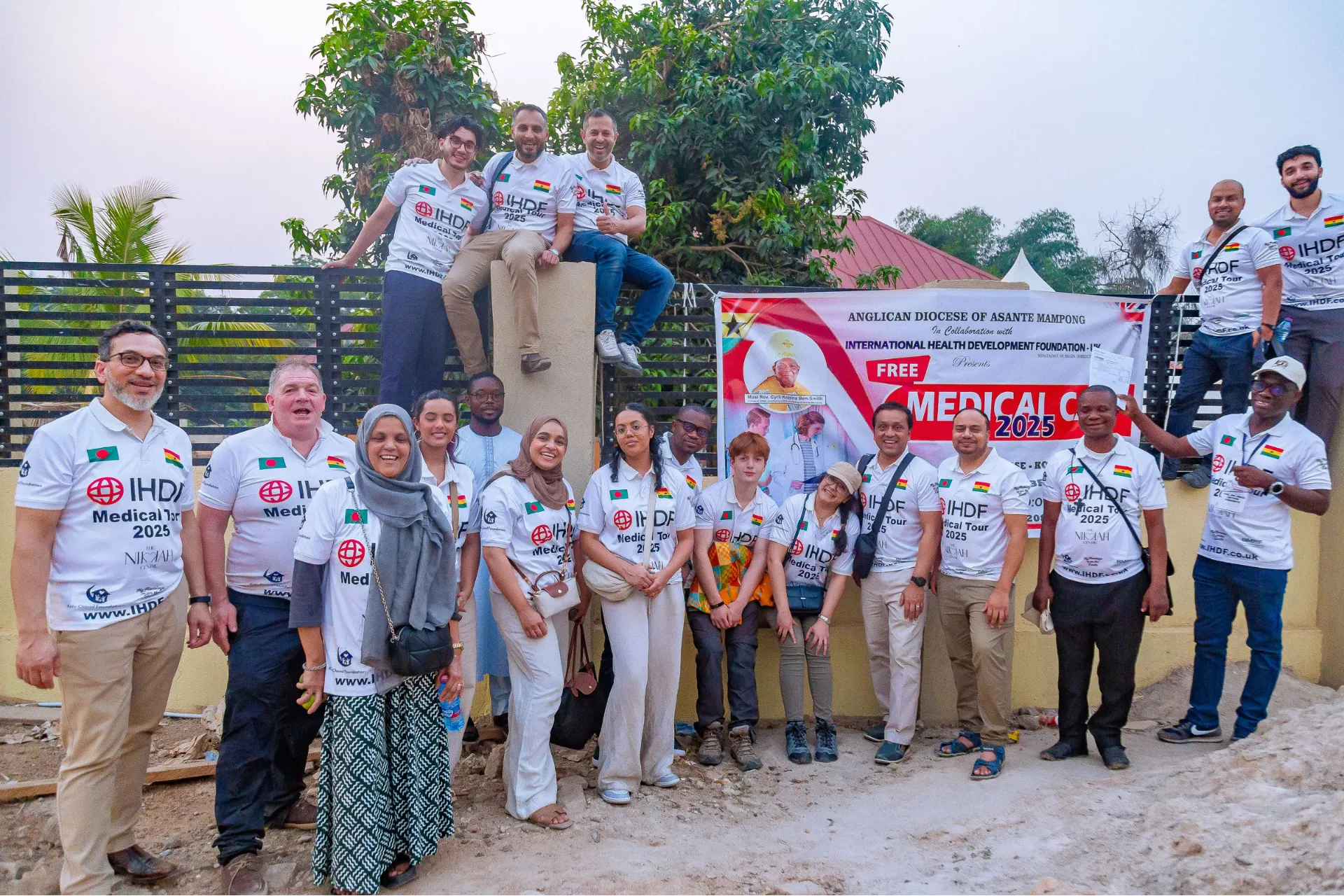
Recognising these barriers, the International Health Development Foundation (IHDF) has adopted a proactive outreach model that brings healthcare directly to communities. Rather than waiting for patients to come to clinics, IHDF sets up temporary clinic spaces in convenient, familiar locations such as schools, community halls, and open grounds.
These venues, chosen with local knowledge, are accessible to a broad spectrum of residents. This approach transforms healthcare delivery into a shared community experience. Clinics function over one or more days, offering services including general health assessments, maternal care, eye screenings, and basic treatments. Importantly, the model invites community members to engage actively—as collaborators rather than passive recipients—through involvement in planning and logistics.
The Logistics Behind Mobile Healthcare Delivery
Delivering healthcare outside traditional facilities requires meticulous planning and resource coordination. IHDF’s teams transport all necessary medical equipment, medicines, and supplies to remote sites. This includes portable diagnostic tools, sterilisation kits, and medication stock tailored to community needs.
Staffing is essential to the model’s success. Volunteer medical professionals, often from the UK, travel alongside local health workers who provide cultural insight and continuity. Transport arrangements must cope with challenging terrain and limited infrastructure, sometimes involving several hours of travel over rough roads or river crossings.
By ensuring that each mobile clinic is equipped and staffed appropriately, IHDF maintains high standards of care, despite operating outside permanent medical buildings. This logistical effort demonstrates a strategic commitment to overcoming physical and systemic barriers.
Community Engagement and Impact: Building Trust and Increasing Patient Turnout
One of the most significant outcomes of IHDF’s outreach model is the strengthened trust between healthcare providers and the communities served. When care arrives in familiar settings, barriers related to fear or mistrust diminish. Local involvement in clinic organisation fosters ownership and confidence in medical services.
Active participation during clinics encourages health education and awareness, empowering patients to seek care earlier. This contrasts sharply with traditional models where reluctance or inability to travel results in low attendance.
Quantitatively, patient turnout at these mobile clinics is considerably higher than when services are offered solely at distant hospitals. This demonstrates that decentralising healthcare access removes not only physical but social and psychological obstacles, improving health outcomes across populations.