
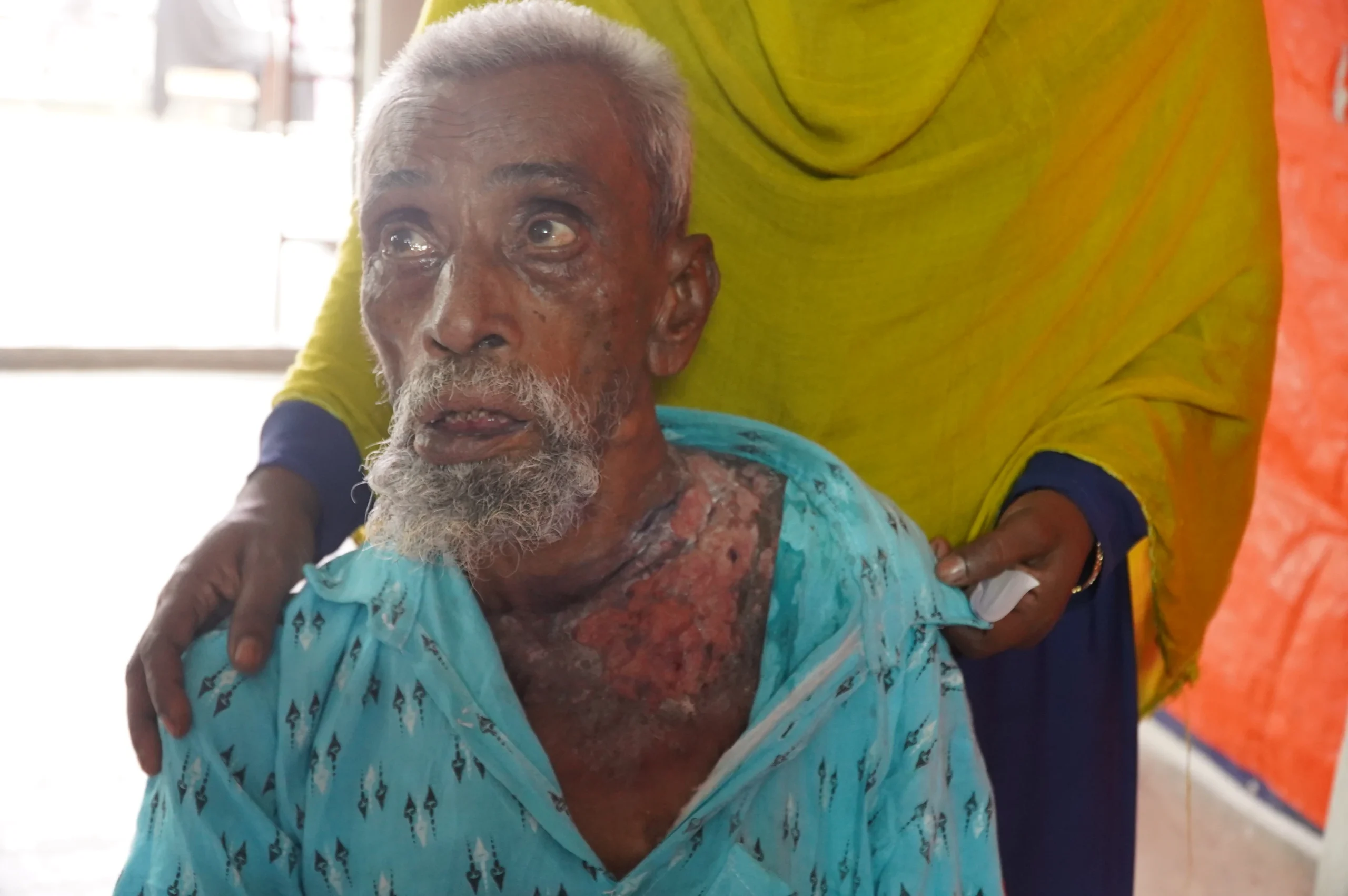
Understanding the Overlooked Healthcare Needs of Elderly Patients in Rural Bangladesh
In many rural areas of Bangladesh, elderly patients often face healthcare challenges that remain largely unaddressed. Some have lived their entire lives without ever receiving formal medical attention. At IHDF clinics, common conditions among elderly patients include hypertension, diabetes, arthritis, cataracts, and respiratory diseases. These ailments frequently go untreated due to a lack of accessible services targeting older populations.
Hypertension and diabetes are widespread chronic conditions that require ongoing monitoring and management. Arthritis can severely limit mobility and quality of life, while cataracts often cause gradual vision loss – a major barrier to independence. Respiratory problems, including chronic obstructive pulmonary disease, are also prevalent due to long-term exposure to pollutants and infections without regular healthcare intervention.
For many elderly individuals, the reality is that their ailments have never been formally diagnosed or treated, leaving them to cope with progressively worsening symptoms in silence. This gap in care highlights a pressing need for services designed specifically for the ageing population in these underserved communities.
Reasons Behind the Deprioritization of Geriatric Care
Several factors contribute to the systematic deprioritization of geriatric care in rural Bangladesh. One significant reason is the allocation of limited healthcare resources which often focuses on younger and reproductive-aged populations. Given the pressing maternal and child health needs, attention tends to centre on these groups, inadvertently marginalising the elderly.
Mobility challenges further obstruct elderly patients from accessing clinics. Poor infrastructure, lack of transport, and physical impairments mean many older adults struggle to travel to health centres, contributing to their absence from the healthcare system.
Culturally, there is often an acceptance of ageing as an inevitable period of decline and suffering. This belief can discourage both the elderly and their families from seeking medical help, reinforcing the notion that discomfort and disability in old age are normal and expected, rather than treatable.
The Impact of Receiving Medical Care for the First Time in Later Life
For a 70-year-old individual experiencing a blood pressure reading or a medical diagnosis for the first time, the experience can be profoundly impactful. It opens a new chapter of understanding about their health, symptoms, and possibilities for treatment.
Receiving such basic health assessments can lead to the identification of treatable conditions like hypertension or diabetes, which, when managed, significantly improve quality of life and may even extend it. This late diagnosis can empower elderly patients to manage their health proactively for the first time, potentially mitigating severe complications.
Moreover, being recognised and treated with dignity after a lifetime without formal medical care can improve psychological well-being. It acknowledges the worth of older individuals and their right to health services, which is fundamental to human dignity.
How IHDF Clinics Address Geriatric Care Alongside Other Patient Groups
IHDF clinics provide care to a wide spectrum of patients, including elderly individuals, children, and mothers within rural communities. This inclusive approach ensures that geriatric patients are not overlooked or isolated.
The clinics strive to create an environment where elderly patients receive the respect and thorough medical attention they deserve. Volunteers and health professionals measure vital signs, diagnose chronic conditions, and manage treatments with sensitivity to the specific needs of older adults.
This model not only addresses a significant healthcare gap but also restores dignity to those who have never had access to such services before. For many elderly patients, attending an IHDF clinic marks the first time they have been seen, heard, and cared for by a trained medical professional. This experience can strengthen their sense of self-worth and reinforce their right to equitable healthcare.