
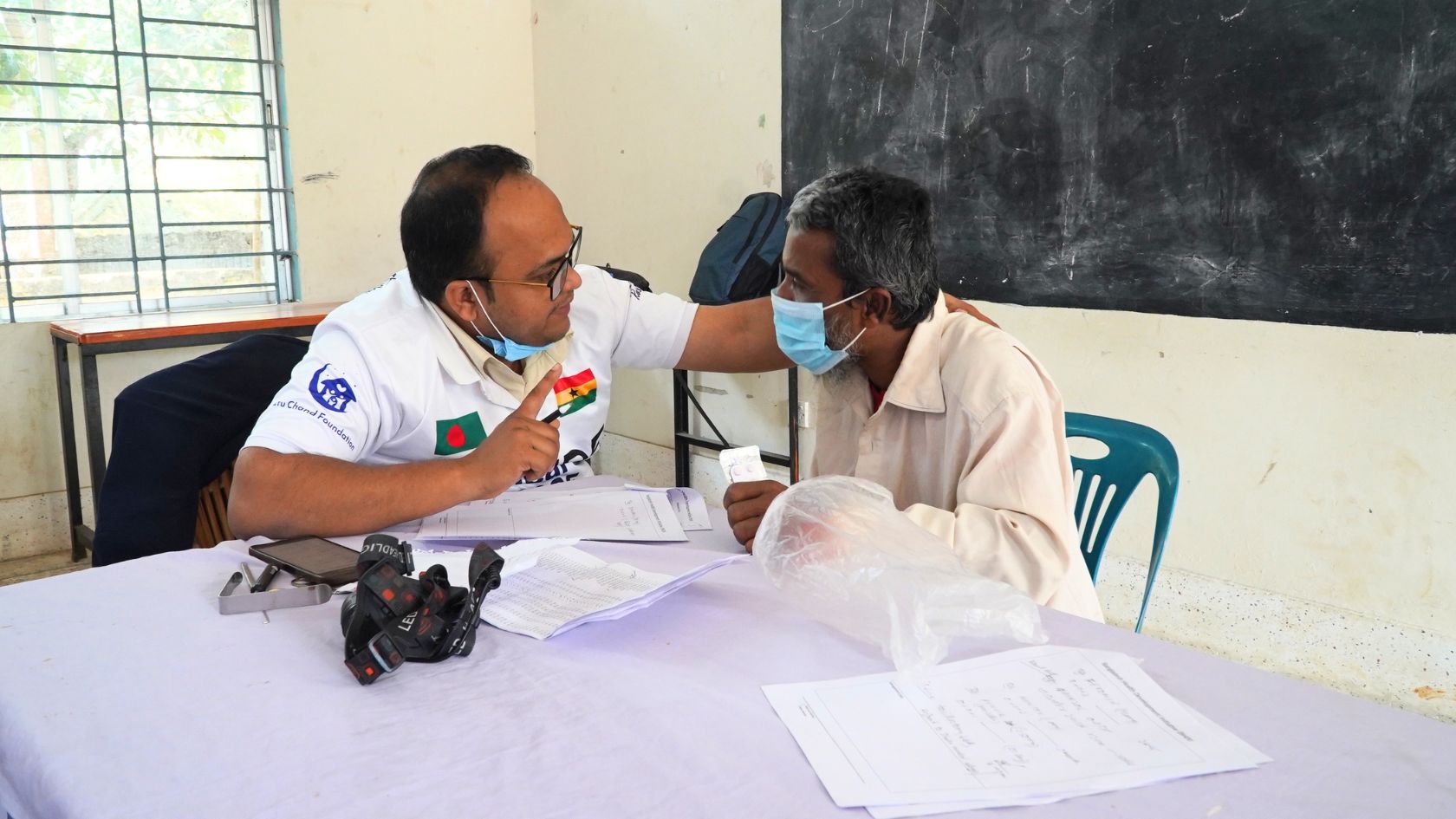
Moving Beyond One-Off Relief Efforts
One-off medical interventions often provide immediate relief but may not address ongoing or deeper health challenges in communities. At the International Health Development Foundation (IHDF), the focus is on sustained engagement through regular clinics that ensure ongoing healthcare access. This consistent presence enables communities to receive timely treatment and follow-up care rather than sporadic aid.
Creating effective referral pathways plays a crucial role in comprehensive healthcare delivery. By linking local clinics to higher-level medical services, IHDF enables patients to access specialised care when needed. These pathways are maintained through collaboration with local health organisations, ensuring that patients can move seamlessly within the health system without delay or confusion.
Training Local Responders for Ongoing Impact
Building the skills and knowledge of local responders is vital for the sustainability of healthcare improvements. IHDF’s approach includes training community health workers, volunteers, and local professionals to deliver quality care and respond effectively to health emergencies. These trained responders become trusted figures in their communities, offering consistent support.
Supporting local healthcare workers goes beyond initial training. Continuous mentorship and resources help them adapt to evolving health challenges. As key agents of change, these workers foster trust and understanding within the community, which is essential for long-term health improvements and resilience.
Prevention as a Core Strategy for Sustainable Health
Prevention lies at the heart of IHDF’s sustainable healthcare model. Prioritising preventative care helps reduce the long-term burden of disease and improves overall community health. This includes immunisation campaigns, maternal health support, and promotion of hygiene and sanitation practices.
Community education is central to prevention efforts. Engaging residents through health awareness programmes enables people to make informed choices that protect their health. By fostering a culture of prevention, IHDF helps communities reduce the incidence of avoidable illnesses and enhances their capacity to maintain good health independently.
Measuring and Supporting Long-Term Community Health Improvements
Monitoring health outcomes is essential for refining IHDF’s strategies and ensuring they meet community needs effectively. Data collection and analysis allow the organisation to track progress and identify areas requiring additional attention.
Long-term improvements also depend on integrating sustainable practices into local health systems. IHDF works alongside government services and local stakeholders to embed interventions within existing frameworks, ensuring healthcare solutions continue past IHDF’s direct involvement. This systems-thinking approach recognises the complex interrelationships between health providers, patients, and infrastructure, supporting resilient and adaptable healthcare delivery.
By consistently focusing on these sustainable healthcare practices, IHDF moves from short-term relief to lasting health benefits for vulnerable communities.