
The Challenges of Healthcare Access in Rural Communities
Rural populations face considerable obstacles when accessing healthcare. Geographic isolation means many clinics and hospitals are located far from where people live, creating significant travel times that deter regular check-ups and timely treatment. The high costs associated with healthcare, including consultation fees, medication, and transportation expenses, pose additional barriers, especially for families with limited income. Public transport in rural areas is often scarce or unreliable, making travel for medical appointments difficult. Furthermore, there is a persistent shortage of healthcare providers and facilities in these communities, with fewer doctors, nurses, and specialists available compared to urban centres. These systemic issues create a challenging environment for rural residents seeking consistent and comprehensive healthcare.
Impact of Healthcare Disparities on Rural Populations
The difficulties in accessing healthcare services translate into significant disparities in health outcomes for rural populations. Chronic diseases such as diabetes, hypertension, and respiratory conditions are more common and harder to manage due to irregular medical supervision. Without adequate screening and preventive care, conditions may go undiagnosed until they require emergency intervention, which is often less accessible in rural settings. Emergency care itself poses serious challenges, with longer response times and fewer equipped facilities nearby. Consequently, rural communities tend to experience higher rates of mortality and complications from treatable illnesses. This overuse of emergency services also strains limited healthcare resources, further widening the gap in quality and continuity of care between rural and urban areas.
IHDF’s Integrated Approach to Improving Rural Healthcare
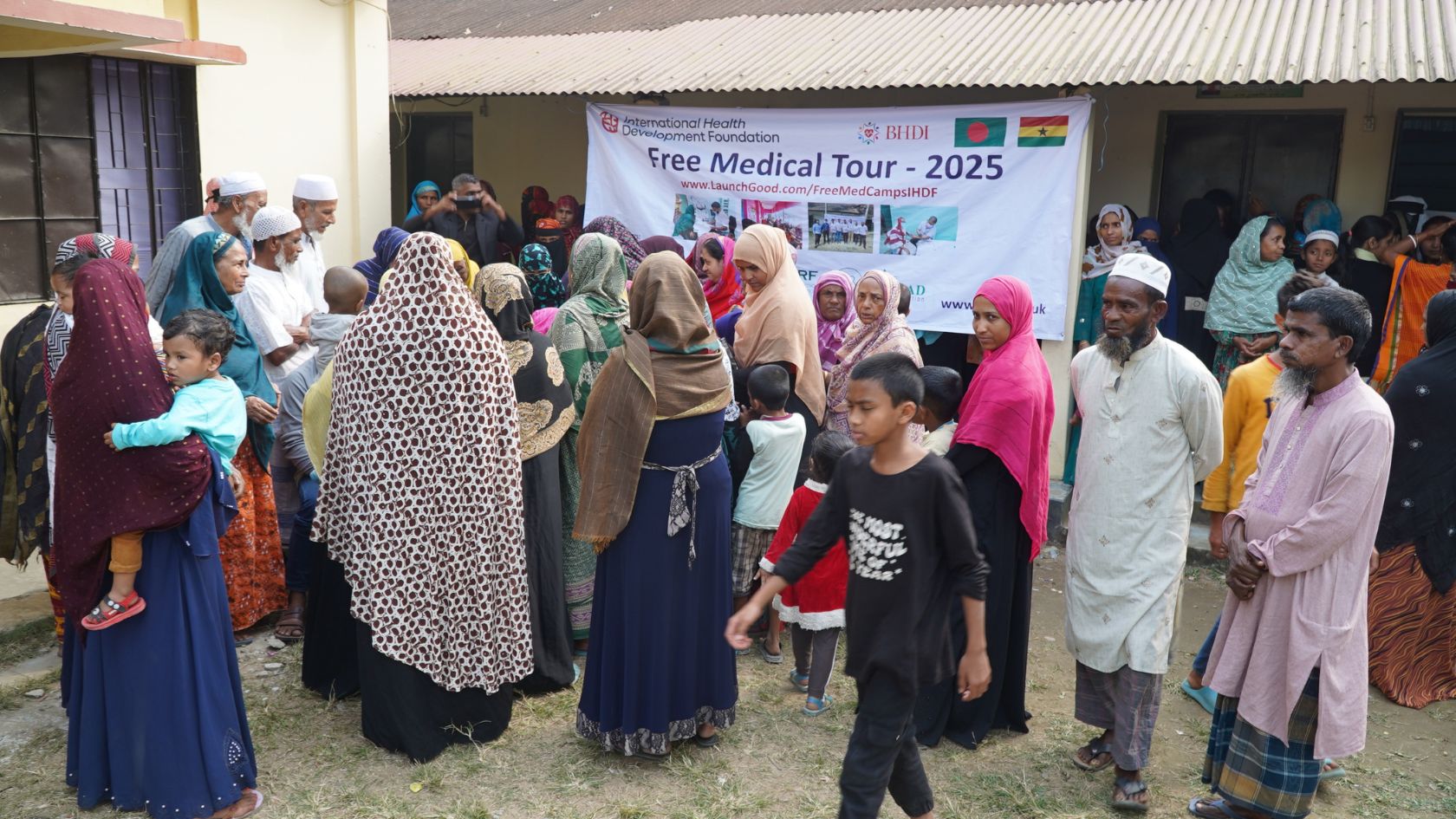
The International Health Development Foundation (IHDF) addresses these challenges through a practical and multifaceted approach. IHDF operates free local medical clinics that provide essential health services directly within rural communities. These clinics improve accessibility by reducing travel distances and offering care without charge, helping overcome cost and transport barriers. In addition, IHDF organises annual medical tours staffed by volunteer healthcare professionals who offer a wider range of specialised treatments and screenings. These tours supplement local services, providing care that might otherwise be unavailable. Importantly, IHDF places strong emphasis on prevention: education programmes on hygiene, maternal health, and disease awareness work to reduce incidences of illness and promote healthier lifestyles. The combination of these components forms a balanced model that tackles both immediate healthcare gaps and underlying causes.
Measuring Progress and Future Considerations
Initial assessments of IHDF’s initiatives show promising signs of improvement in healthcare accessibility and outcomes in targeted rural areas. Free clinics demonstrate consistent patient attendance and growing trust within communities, while medical tours have successfully delivered specialised care to hundreds of patients annually. Prevention programmes contribute to increased health knowledge and reported behavioural changes. However, challenges remain, including sustainable funding and the need to build local capacity to maintain services independently. Moving forward, partnerships with local authorities and continuous evaluation of intervention effectiveness will be crucial. Developing telemedicine and mobile health technologies also offers potential to bridge distances further. Ultimately, sustained commitment to addressing structural barriers is essential for lasting equality in healthcare access.