
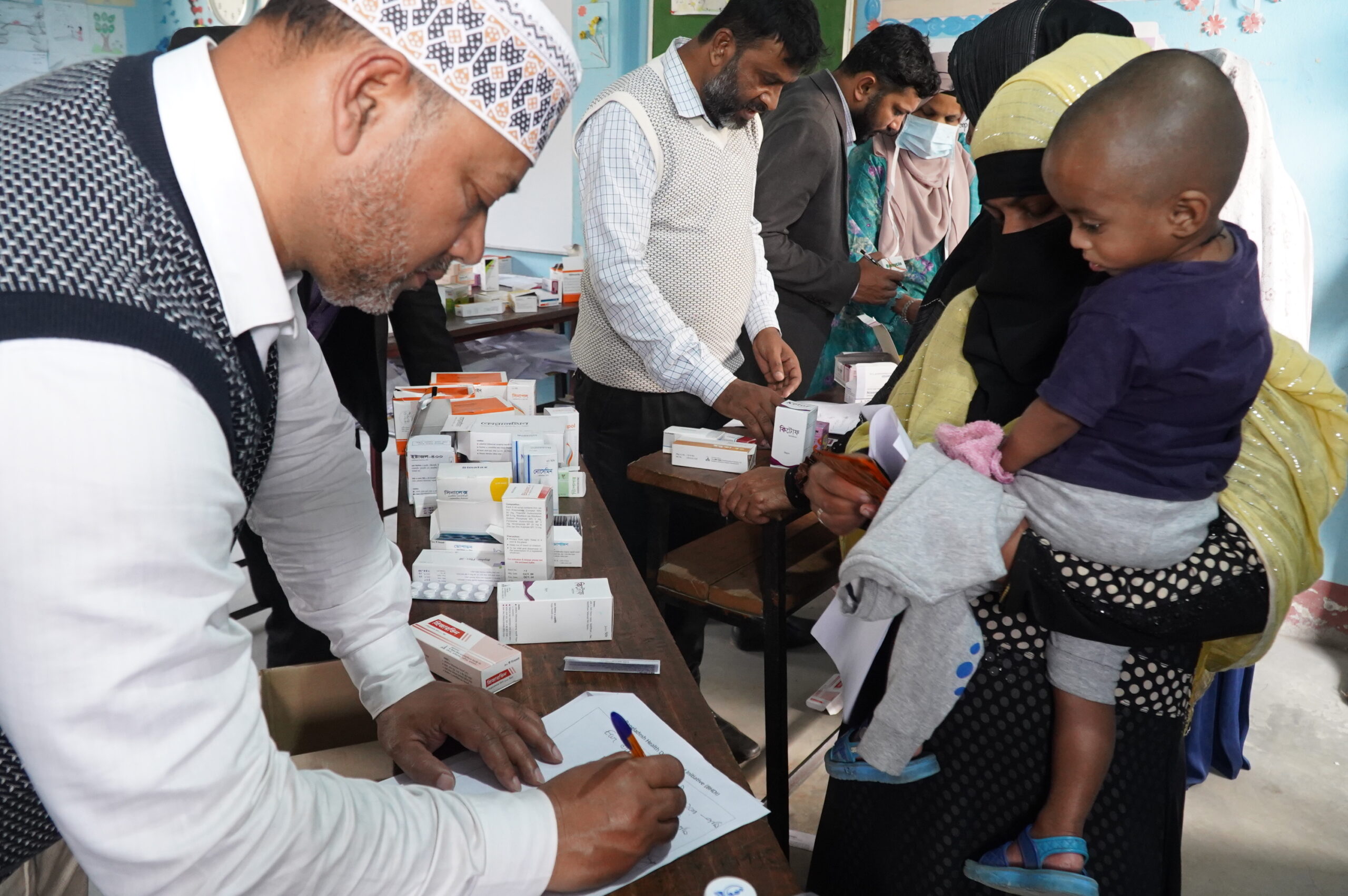
Morning Preparations: Setting Up for the Clinic Day
The day begins in the early hours with a focused team of volunteer medical professionals and local partners arriving at the rural clinic site in Bangladesh. Coordinating volunteers involves ensuring that doctors, nurses, pharmacists, and administrative support are all present and clear on their roles for the day. The liaison with local partners is crucial, as they assist with patient mobilisation and community engagement.
Medical equipment and essential medicines are carefully organised and checked for quantity and quality. This includes diagnostic tools, first aid supplies, medicines for chronic conditions and maternal care, and other necessary materials. Final checks involve confirming the availability of clean water, electricity where possible, and ensuring waiting areas are prepared for patients. The goal is to establish a smooth workflow before the first patient arrives.
Patient Attendance and Profiles
The clinic typically serves a diverse group of patients reflecting the community’s health needs. Among them are elderly individuals managing long-term conditions such as hypertension or arthritis, young children requiring routine assessments or vaccinations, and expectant mothers needing maternal health support. There are also patients presenting with acute illnesses or chronic disease complications.
This mix of patients speaks to the broader health issues present in rural Bangladesh, where access to continuous healthcare can be limited. The free clinic acts as a vital point of care for vulnerable groups who might otherwise go without treatment.
Clinic Consultations and Patient Care
Each patient’s consultation follows a careful process. Initially, the healthcare worker conducts an assessment, reviewing symptoms, medical history, and vital signs. Diagnosis is made based on this evaluation, after which appropriate medicines are prescribed from the clinic’s stock.
In some instances, patients are referred to higher-level facilities for further investigation or specialised treatment, depending on the findings. The medical team manages patient volume by scheduling cases in order of urgency and complexity, while ensuring that the clinic operates efficiently throughout the day.
The ability to see between 80 and 120 patients in a single clinic day requires strict organisation and coordination. Volunteers alternate roles where needed, and administrative staff manage patient records and waiting queues to maintain steady workflow.
Closing Procedures and Follow-up
As the clinic day ends, data from the consultations is recorded systematically. This information is critical for monitoring community health trends, managing follow-up visits, and planning future clinic services. Patients needing ongoing care are scheduled for return appointments or referred to local health programmes.
Restocking supplies is undertaken promptly to prepare for the next clinic day. This includes replenishing medicines, replacing used equipment, and organising transport logistics. The team also reflects on the day’s challenges and successes during a brief meeting, ensuring continual improvement in service delivery.