
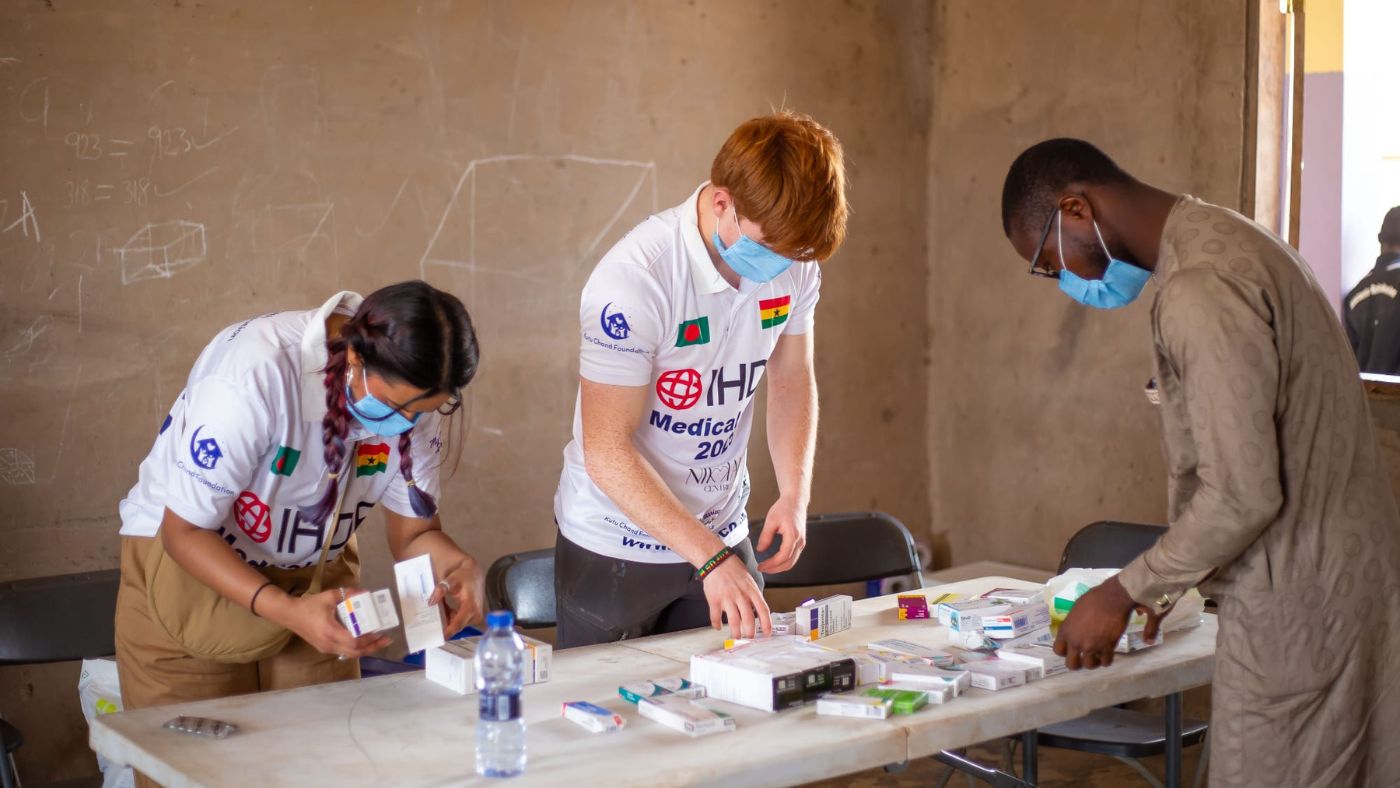
Who Volunteers on IHDF Medical Tours
The volunteers who participate in IHDF medical tours come from a broad spectrum of healthcare backgrounds within the UK. These include general practitioners (GPs), hospital consultants, nurses, pharmacists, and allied health professionals. This diverse mix ensures a comprehensive approach to healthcare delivery, combining primary care expertise with specialised medical knowledge. The common thread among these volunteers is their commitment to using their professional skills to support communities with limited access to healthcare.
What a Medical Tour Involves
Medical tours organised by IHDF involve a range of activities designed to provide effective healthcare support and capacity building. Volunteers typically travel to underserved regions such as rural areas in Bangladesh or Ghana. Upon arrival, they participate in setting up temporary clinics, which requires logistical planning to ensure the safe and efficient delivery of medical services.
The core of the tour involves patient consultations, clinical examinations, diagnosis, and prescribing treatments based on local health needs. Volunteers also devote significant time to training local healthcare staff, which strengthens community health systems beyond the duration of the visit. This dual focus on care delivery and education helps create a sustainable impact.
Differences Between Volunteering and NHS Practice
Volunteering through IHDF introduces medical professionals to working conditions vastly different from those within the NHS. Resource constraints are a primary challenge: clinics may have limited medical supplies, diagnostic tools, and medication options. This requires volunteers to adapt their clinical practice, often relying on clinical skills and judgement rather than technology.
Language barriers are another challenge, since volunteers often work in settings where English is not the first language. Communication relies heavily on interpreters or bilingual local staff, necessitating patience and clear explanations. Patient expectations can also differ; understanding the cultural context is essential to delivering respectful and effective care. Unlike the NHS environment, where protocols and patient pathways are clear and supported, IHDF volunteers must often make decisions with limited background information and variable follow-up options.
Coordination and Impact of Volunteering
IHDF places strong emphasis on coordination and governance to ensure safety and clinical standards are maintained. The organisation manages all logistics including travel, accommodation, clinic setup, and risk assessments. Volunteers receive orientation and are supported throughout the tour to adhere to clinical governance frameworks suited to the context.
For volunteers, the experience provides both personal and professional growth. They gain insight into global health challenges, strengthening their adaptability, problem-solving, and cultural competence. Many report a renewed appreciation for the resources and systems within the UK healthcare setting. At the same time, the opportunity to contribute meaningfully, support vulnerable communities, and collaborate with local healthcare workers offers a rewarding dimension to their careers.