
Understanding the Importance of Local First Responder Training
Remote communities often face significant challenges when emergencies arise due to limited access to formal medical services. In such areas, professional healthcare facilities may be hours or even days away, making prompt response difficult. This situation increases the risk of adverse outcomes during accidents, injuries, or sudden illnesses.
Local first responders, typically members of the community, play a vital role in bridging this gap. They are usually the first people on the scene and can provide crucial initial care before professional help arrives. Their timely interventions can stabilise patients, reduce the severity of injuries, and in many cases, save lives. Training these local responders ensures that emergency assistance is accessible immediately within the community, significantly improving overall emergency response outcomes.
IHDF’s First Aid Training & Prevention Programme: Key Features
The International Health Development Foundation (IHDF) operates a First Aid Training & Prevention Programme designed specifically to equip local responders with practical life-saving skills. The programme typically involves hands-on training sessions that are tailored to the context of the communities served, recognising the limitations and resources available.
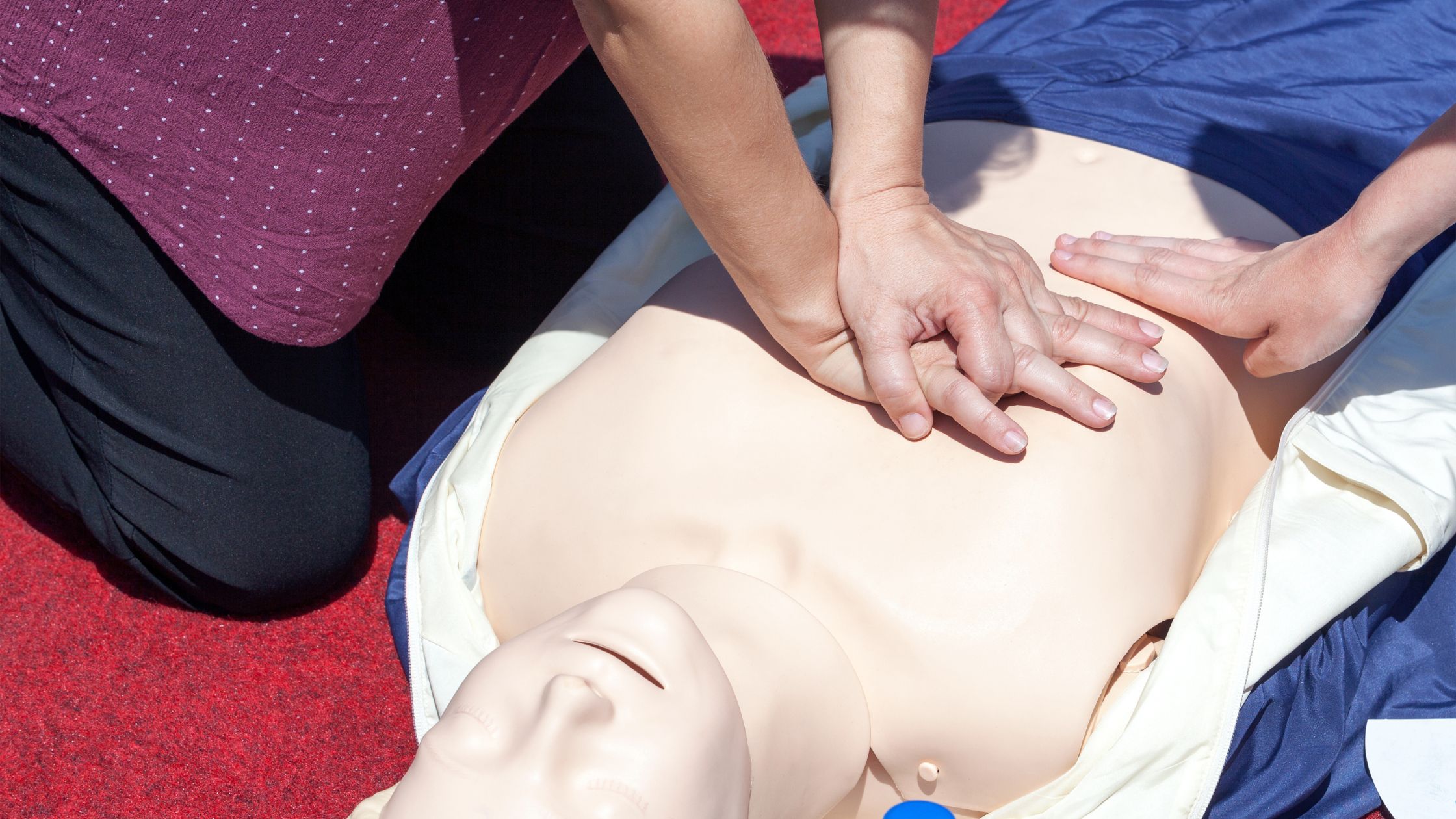
Training methods combine theoretical knowledge with practical exercises, ensuring participants gain confidence and competence. The programme covers essential life-saving skills such as CPR (cardiopulmonary resuscitation), wound management, fracture stabilisation, and managing choking incidents. Additionally, trainees learn how to assess situations quickly and provide psychological first aid to both victims and bystanders, addressing the mental strain emergencies can cause.
Strengthening Emergency Response Capacity in Remote Communities
Beyond initial training, IHDF focuses on building sustainable local networks. This approach means creating groups of trained first responders within communities to maintain readiness and support each other during emergencies. These networks enhance community resilience by encouraging shared responsibility and cooperation in handling adverse events.
Follow-up training is also a critical component, allowing responders to refresh their skills and acquire new knowledge as required. Ongoing community support includes distributing educational materials and organising periodic workshops to keep emergency preparedness front of mind. This continuous support helps ensure that skills remain current and effective over time.
Impact of Training on Community Resilience and Safety
The effects of training local first responders extend well beyond immediate emergency care. Case examples from IHDF interventions show communities becoming more knowledgeable and confident in managing health crises. For instance, trained responders have successfully stabilised patients during childbirth complications, accidents, and sudden illness episodes, leading to reduced fatalities.
Long-term benefits include improved overall health and safety within communities. The empowerment derived from training fosters a culture of care and responsibility, contributing positively to mental well-being. Knowing there are prepared individuals nearby can reduce anxiety about emergencies, helping communities remain calm and coordinated when faced with challenges.