
Living with Limited Access: The Distance to the Nearest Hospital
In many rural and underserved communities, the nearest hospital or medical facility is not just a few kilometres away but often a full day’s travel. This geographic isolation can profoundly affect daily life and health outcomes. Several practical barriers magnify the challenge. Transport costs can be prohibitive for families living on limited incomes, making the journey to healthcare an unaffordable burden. Roads are frequently unpaved, difficult to navigate, and sometimes impassable in bad weather. Public transport options are often non-existent, leaving those without private means of travel stranded. Additionally, the physical act of travelling long distances can be difficult or impossible for many, especially those who are elderly, disabled, or seriously ill.
Coping Strategies When Medical Help Is Far Away
When immediate professional medical care is out of reach, families and individuals rely on various coping strategies. Home remedies and traditional healing practices form an initial line of defence against illness and injury. In many cultures, trusted local healers play an essential role. Sometimes communities make the difficult decision to wait and hope the condition improves, weighing the risks and costs of travel against the urgency of medical need. These choices are rarely simple and often reflect the lack of accessible healthcare rather than reluctance to seek help.
Health Consequences of Delayed Treatment
Delays in access to appropriate treatment can have severe health consequences. Conditions that are treatable in a timely manner can quickly escalate into emergencies or even result in fatalities. Vulnerable populations are particularly at risk. The elderly may suffer complications from untreated chronic illnesses. Pregnant women face increased risks during labour without timely medical support. Children are especially vulnerable to infections and acute conditions that worsen while waiting for care. People with disabilities often encounter even greater difficulties reaching distant facilities and face compounded health risks. The distance barrier thus contributes directly to increased morbidity and mortality in these communities.
Bringing Care Closer: How IHDF Clinics Address the Access Gap
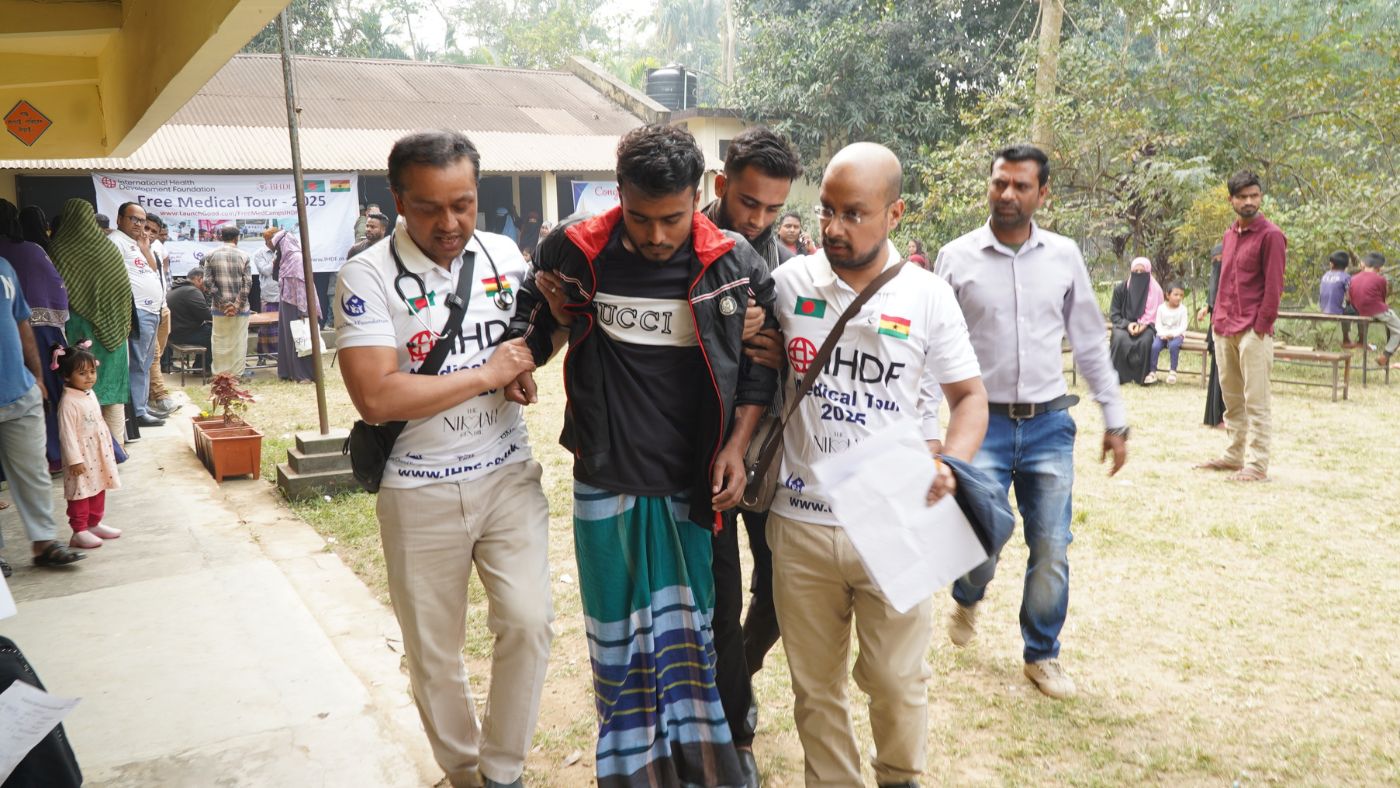
The International Health Development Foundation (IHDF) addresses the distance barrier by bringing healthcare services directly to remote communities through free medical clinics. This model bypasses the need for long and costly journeys by delivering clinics staffed by volunteer medical professionals on location. These clinics offer vital services including general medical care, maternal health support, cataract screenings, and health education. By situating services within communities, IHDF improves timely access to care, reducing the risk of complications from delayed treatment. This approach respects and responds to the practical realities faced by underserved populations, offering a sustainable solution to health system gaps.