
Common Childhood Health Issues in Rural Bangladesh
In many remote areas of Bangladesh, children frequently face significant health challenges that remain largely unaddressed. Respiratory infections are common among children due to indoor air pollution and crowded living conditions. These infections often go undiagnosed and untreated, increasing risks of severe illness or even death. Malnutrition is another widespread problem, contributing to stunted growth and weakening immune systems. Nutritional deficits can also delay developmental milestones. Skin diseases, including fungal and bacterial infections, are prevalent due to poor hygiene and limited access to clean water. Developmental delays, both physical and cognitive, often remain unnoticed without routine medical check-ups. The absence of early diagnosis and intervention means these children face compounded health difficulties as they grow.
Barriers to Seeking Medical Care
Several factors prevent families in rural Bangladesh from accessing medical services for their children. Cost remains a significant hurdle; many families live on limited incomes and cannot afford consultation fees, medications, or travel expenses to health centres. Distance is another barrier, with many communities located far from the nearest medical facilities, often requiring long, difficult journeys. Awareness levels about common childhood illnesses and the importance of medical care are low, leading some families to underestimate the severity of symptoms or rely solely on traditional remedies. Additionally, cultural factors influence healthcare-seeking behaviour; in some areas, cultural norms may discourage families from seeking outside help, especially for young children or female children. These combined barriers result in many children growing up without ever receiving basic medical care.
Services Offered by IHDF Clinics
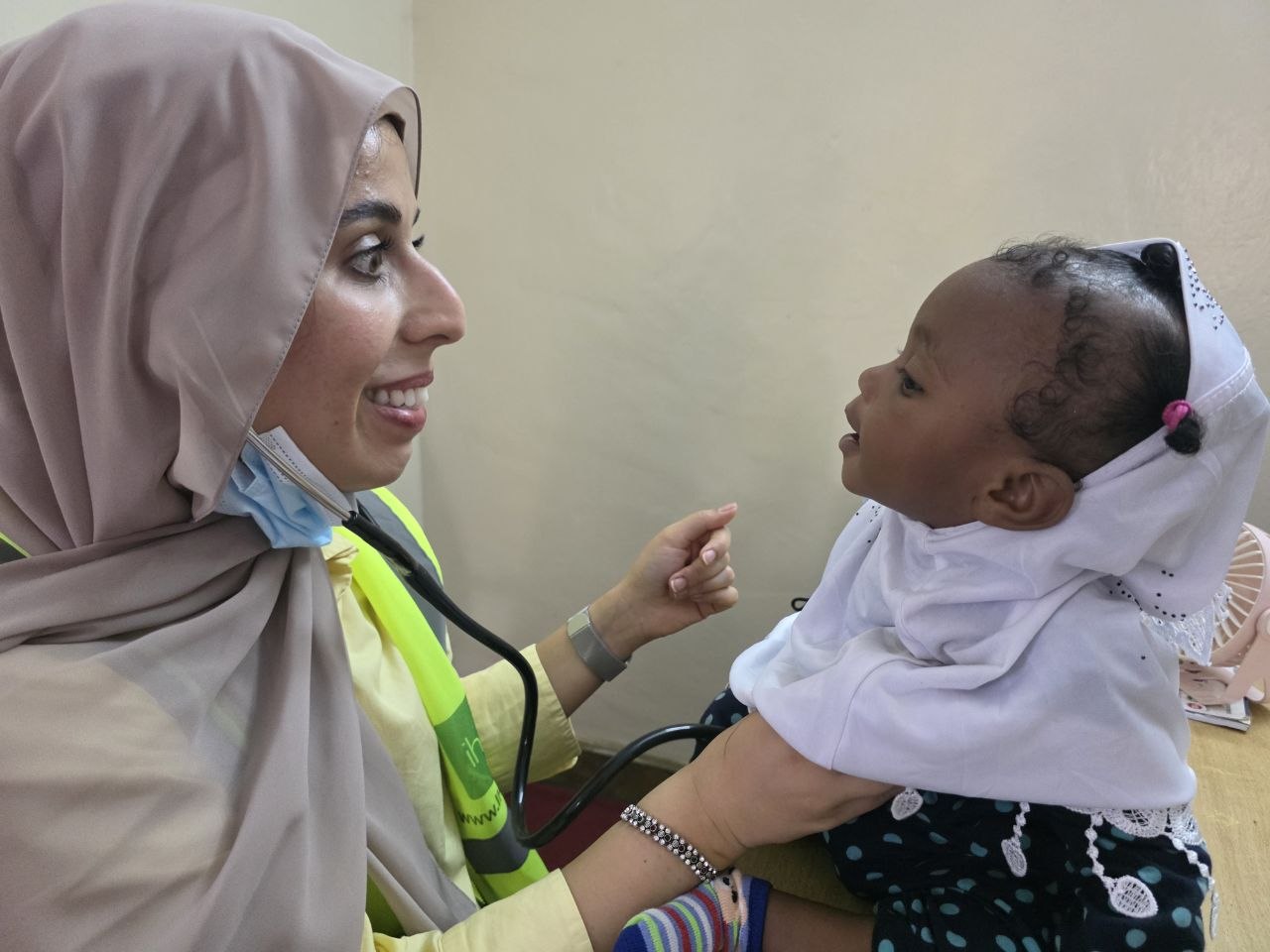
The International Health Development Foundation (IHDF) runs free clinics in underserved rural communities, addressing key gaps in paediatric healthcare access. These clinics provide essential health assessments to detect illnesses early. Vaccinations are administered according to national immunisation schedules, protecting children against preventable diseases such as measles, polio, and tetanus. Nutritional screening is an integral part of the clinic services, allowing identification of children at risk of malnutrition and enabling appropriate dietary counselling or supplementation. Medicine is dispensed free of charge when needed, treating infections and other common conditions promptly. These services collectively offer vital healthcare interventions that families otherwise might not access.
Impact of Regular Medical Care on Child Health
Growing up without medical intervention can lead to chronic health issues, reduced educational outcomes, and increased mortality. Children who do not receive timely treatment for infections may develop complications that impair long-term health. Malnutrition not only stunts physical growth but also affects cognitive development, limiting future opportunities. Regular access to free clinics changes these outcomes markedly. Over time, children attending IHDF clinics experience fewer preventable illnesses, improved nutritional status, and better developmental progress. Preventive care such as vaccinations reduces the incidence of infectious diseases, while early treatment of conditions mitigates their severity. Through sustained engagement with healthcare services, children benefit from improved overall health, supporting stronger communities and more resilient futures. Evidence underlines the importance of structured healthcare access for children in remote settings, affirming that consistent medical support is crucial to closing systemic health gaps in rural BangladeshSource: World Health Organization and Source: UNICEF.