
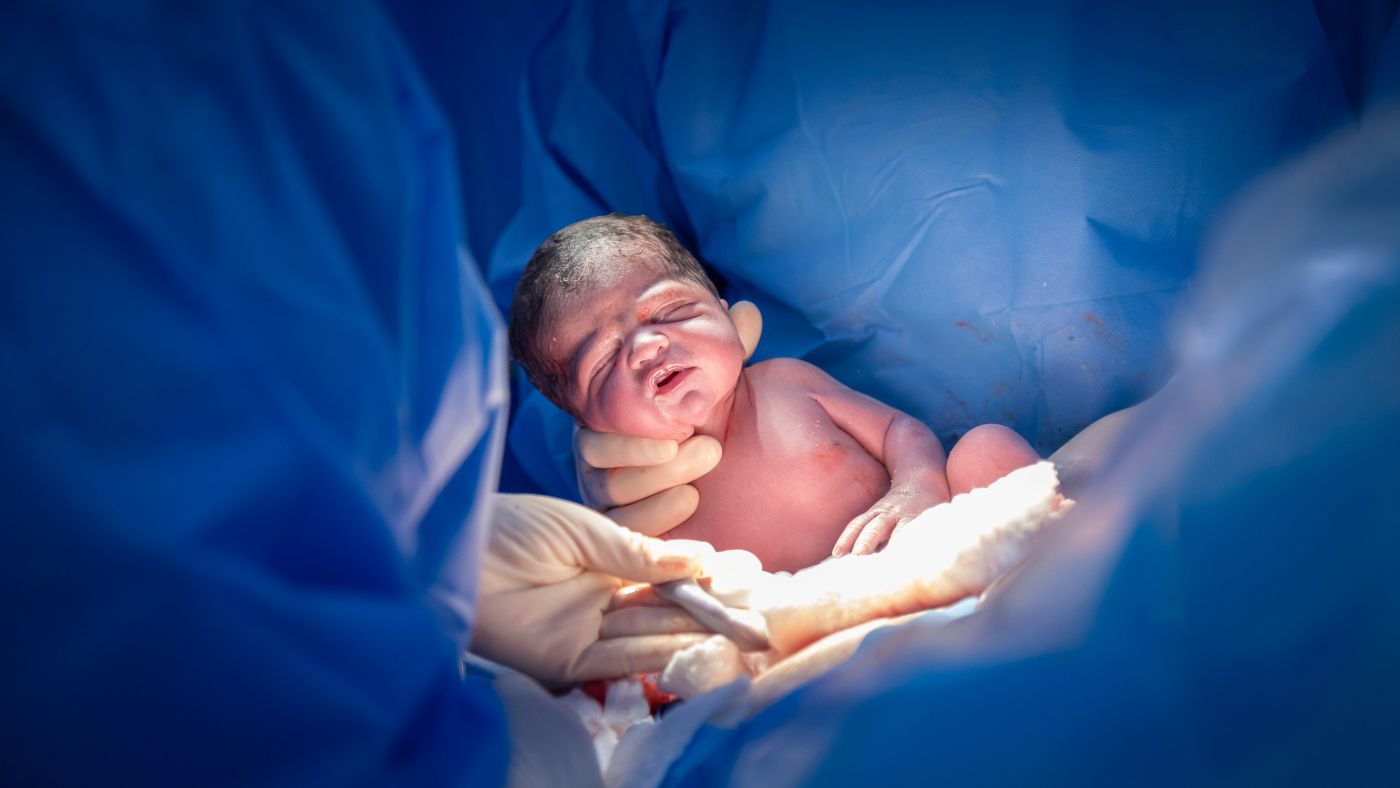
Why Prenatal and Postnatal Care Matter in Underserved Communities
Access to consistent, quality prenatal and postnatal care forms the foundation for safe childbirth and healthy development of newborns. However, in underserved communities, such care is often limited or unavailable, leading to serious health consequences. Key risks include premature births, low birthweight infants, and high rates of maternal mortality. Without early monitoring during pregnancy and essential support after delivery, mothers and babies face higher vulnerability to complications, infections, and developmental challenges. These adverse outcomes reflect gaps in healthcare availability, often compounded by poverty and infrastructure deficits.
Such complications are not only acute medical concerns but also have long-term effects on families and communities, influencing survival rates and overall wellbeing. Reducing these risks requires focused attention on prenatal screening, health education, and postnatal follow-up—services that are frequently absent in vulnerable regions. Establishing reliable care pathways before and after birth plays a crucial role in improving health outcomes for both mother and child Source: Rural Health Information Hub.
Challenges Facing Mothers in Vulnerable Regions
Mothers in underserved areas face multiple challenges beyond medical conditions. Barriers to care include limited healthcare facilities, shortage of skilled birth attendants, and poor transportation infrastructure, making regular clinic visits difficult or impossible. Cultural norms and lack of health literacy further discourage utilisation of available services, while financial constraints often prevent families from seeking care even when accessible.
Geographic isolation, combined with socioeconomic hardship, creates compounding disadvantages affecting maternal health. Remote rural settings may lack emergency obstetric services, essential medicines, or clean delivery environments. Additionally, social determinants such as education levels and gender inequities influence health behaviours and access to care, increasing maternal and neonatal risks.
These factors demand tailored, locally appropriate health strategies that respond to the complexity of barriers mothers face rather than one-size-fits-all solutions.
IHDF’s Approach to Maternity Support During Clinics
The International Health Development Foundation (IHDF) addresses these challenges with a focused approach during its free medical clinics. IHDF allocates dedicated spaces within clinics specifically designed for maternity support, ensuring privacy, comfort, and specialised care for expectant and new mothers. These spaces allow volunteer medical professionals to conduct antenatal check-ups, provide nutritional advice, monitor foetal growth, and educate mothers on safe delivery practices and newborn care.
Postnatal services at IHDF clinics include monitoring the health of both mother and baby, counselling on breastfeeding, and early identification of complications. By embedding maternity care within broader health services, IHDF ensures mothers receive comprehensive, continuous support rather than fragmented treatment.
This targeted approach reduces critical risk factors such as premature births and low birthweight by encouraging regular prenatal visits and timely interventions. It also contributes to lowering maternal mortality rates by facilitating early detection and referral for complications. Ultimately, this integrated maternity support during clinics strengthens the safety net available to vulnerable mothers and improves their birth outcomes Source: IHDF.
Long-Term Benefits of Focused Maternal Care Programs
Careful investment in maternal health services yields benefits far beyond individual pregnancies. Focused maternity programmes help build stronger community health infrastructures. By training local healthcare workers and educating mothers, these programmes empower communities to maintain better maternal and child health independently.
Improved prenatal and postnatal care reduces infant mortality and morbidity, leading to healthier future generations with better developmental prospects. Furthermore, supporting mothers’ health has positive effects on family nutrition, mental wellbeing, and economic productivity, contributing to overall community resilience.
Ultimately, the proactive maternity care model exemplified by IHDF clinics represents a practical way to address health disparities. It promotes sustainable improvements in maternal and child health in underserved settings, which is essential for wider social development and equity.