
Understanding Laylatul Qadr: Significance and Timing
Laylatul Qadr, known as the Night of Power, is considered the most sacred night in the Islamic calendar. Occurring during the last ten nights of Ramadan, it holds great spiritual significance for Muslims worldwide. According to Islamic teachings, this is the night when the Quran was first revealed to Prophet Muhammad (Peace Be Upon Him). It is described as a night better than a thousand months in terms of spiritual benefit and blessing. Muslims are encouraged to seek this night during the odd nights of the final ten days of Ramadan through prayer, reflection, and acts of charity. The reverence for Laylatul Qadr is deeply rooted in the belief that acts of worship and generosity carried out on this night bring immense rewards and divine blessings.
Linking Spiritual Generosity to Sustainable Health Projects
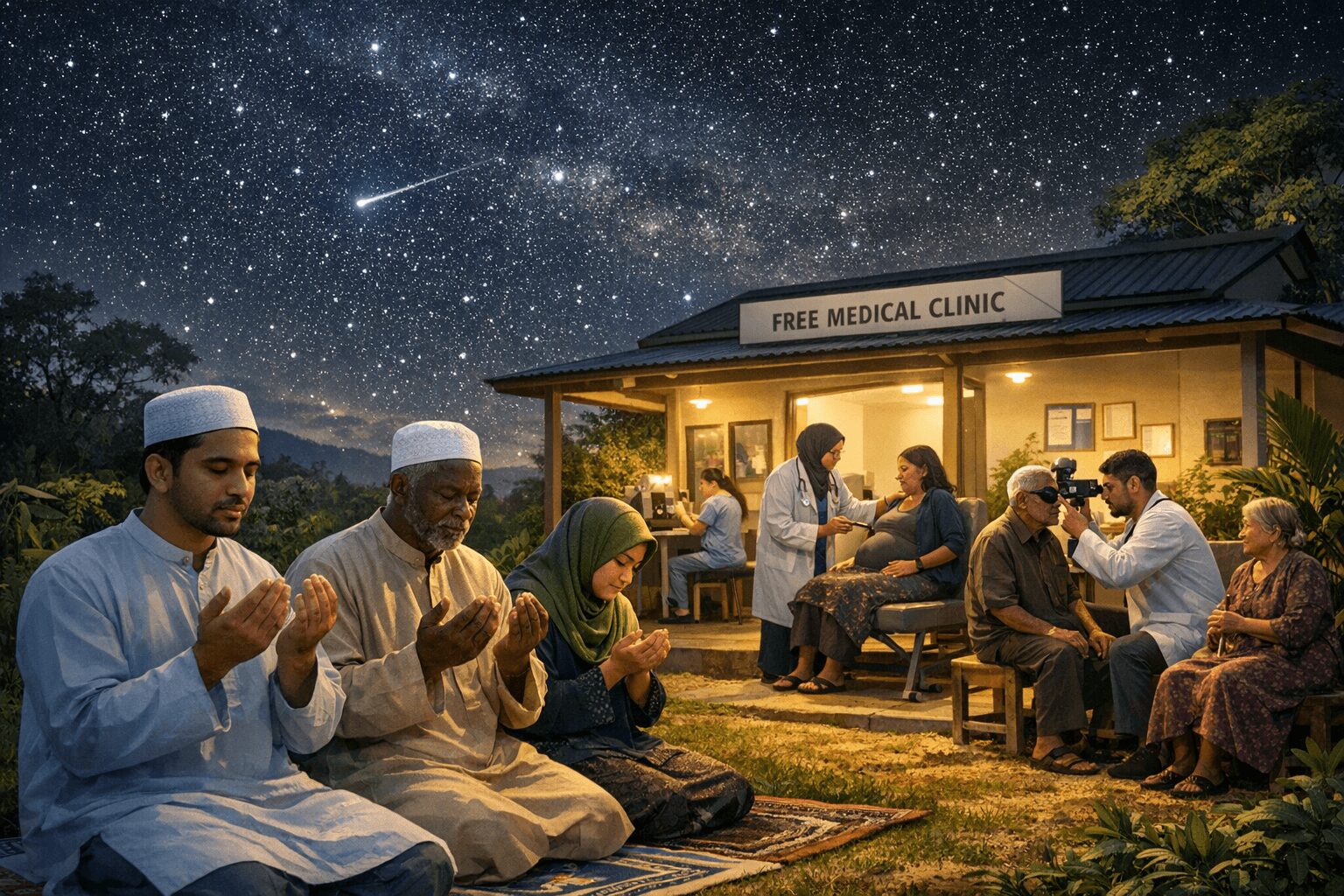
The spirit of generosity during Laylatul Qadr offers an opportunity to support healthcare initiatives that extend well beyond the month of Ramadan. Spiritual giving is not solely an expression of charity but also a means to create lasting impact. Contributions made during this time can fund projects such as monthly free medical clinics, maternal health services, and cataract screening programmes. These initiatives provide ongoing healthcare access to underserved and vulnerable communities, particularly in regions like Bangladesh and Ghana. By channeling donations into sustainable health projects, donors contribute to continuous care rather than temporary relief, which aligns with the deeper purpose of generosity during this blessed night.
Creating Lasting Change Through Preventative Healthcare
Preventative healthcare plays a vital role in improving long-term health outcomes for vulnerable populations. Regular health screenings, health education, vaccination drives, and establishing referral pathways can substantially reduce the incidence of severe health conditions. For example, preventative measures in maternal health can lower risks during pregnancy and childbirth, offering safer outcomes for both mothers and infants. Effective referral pathways ensure timely specialist care when needed, preventing complications that may arise from untreated illnesses. The sustained support that generosity during Laylatul Qadr enables helps establish these vital health infrastructures. This creates a foundation of health resilience that stands long after Ramadan, fostering healthier communities over time.
How Giving During Ramadan Builds a Foundation for the Future
Donations made during Ramadan, particularly through the channel of significance that Laylatul Qadr provides, have demonstrated tangible, sustained benefits. For instance, free medical clinics funded during Ramadan continue to operate throughout the year, offering essential healthcare services to those who might otherwise have no access. Maternity services developed with the support of Ramadan generosity ensure vulnerable mothers receive ongoing care, reducing maternal and infant mortality rates significantly. Cases like funding cataract surgeries have restored vision for hundreds, transforming lives permanently. These stories reflect how charitable giving in Ramadan can plant the seeds for enduring health improvements. The impact of generosity on Laylatul Qadr goes beyond spiritual reward; it marks the start of lasting change in communities faced with daily health challenges.