
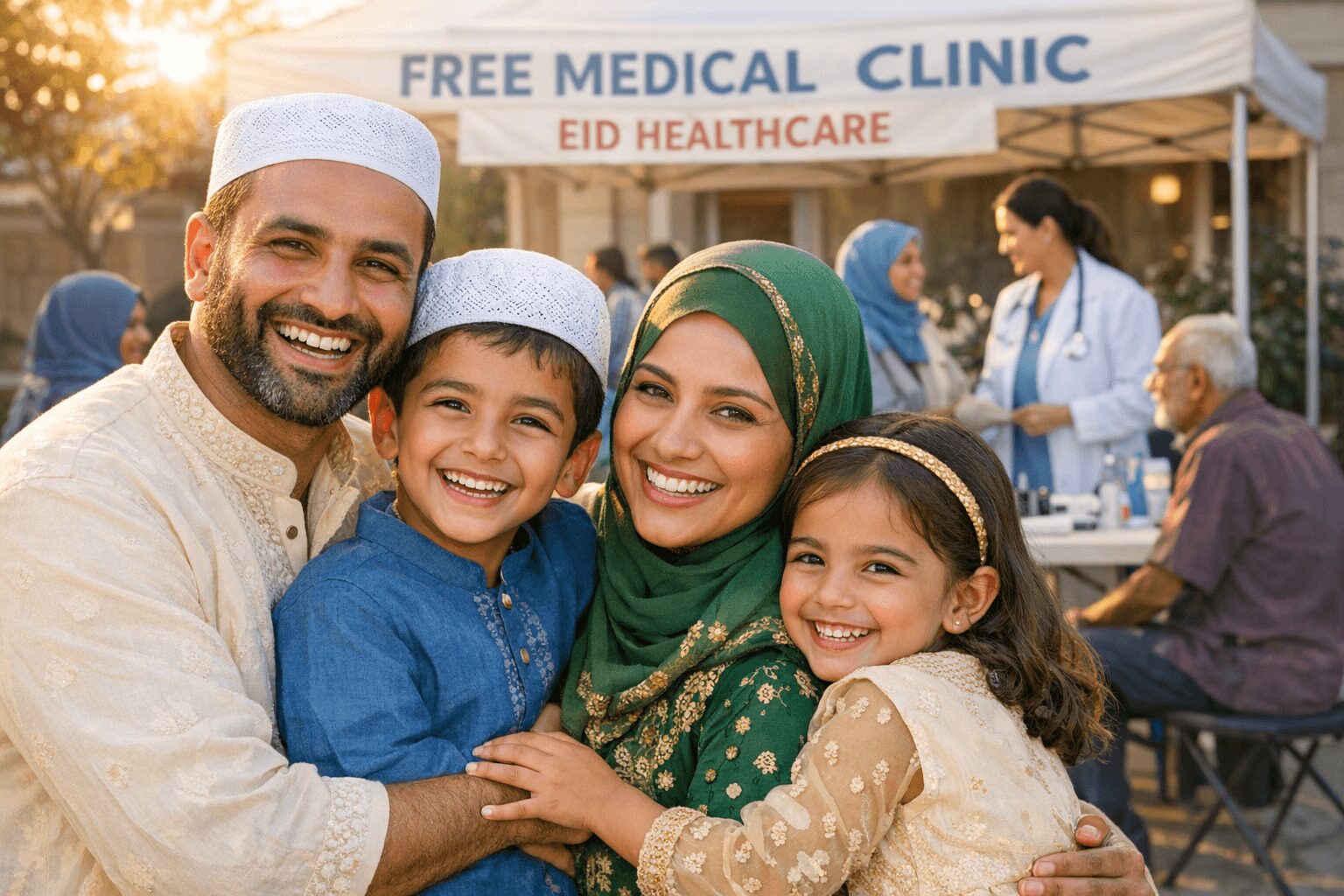
Understanding Dignity in Health Challenges
Dignity, especially when health is fragile, involves more than just feeling respected; it is about maintaining the ability to live in a way that honours personal independence. For many families, dignity means being able to work, care for children, and participate actively in community life without being limited by health problems. When illness affects vision or mobility, for example, it can restrict people’s capacity to provide for their families or engage socially, which in turn impacts self-esteem and a sense of worth.
In contexts where health challenges are common, sustaining dignity often requires practical support that helps people regain control of daily activities. This includes the freedom to contribute economically and care for dependents, which are central aspects of family wellbeing and social inclusion. The ability to celebrate religious and cultural events like Eid with confidence is also tied to these elements of dignity, as families feel more ready and empowered to join communal activities.
The Role of IHDF Clinics in Restoring Stability
The International Health Development Foundation (IHDF) runs free medical clinics and referral services that play a crucial role in restoring stability for families facing health difficulties. These clinics provide accessible healthcare, including eye screenings, maternal support, and treatment for common ailments, which enable individuals to recover or manage their conditions effectively.
By addressing health needs promptly, IHDF clinics help prevent long-term disability and dependency. For instance, restoring sight through cataract screenings and surgeries can dramatically improve a person’s chance to work and care for their family. Maternal health support ensures mothers have safer pregnancies and better outcomes for their children, which is especially vital in underserved communities. Such healthcare access is critical as families prepare to celebrate Eid, a time when health and wellbeing directly influence the ability to participate fully in festivities.
Referral Services That Enhance Healthcare Access
Beyond the immediate care provided at IHDF clinics, the organisation’s referral network connects patients with specialised healthcare services for more complex needs. This system ensures that families receive comprehensive support, from diagnostics to treatment, which they might otherwise struggle to access due to financial or geographical barriers.
Referral services are important for sustaining health improvements made at the clinics, offering ongoing care such as surgery or chronic condition management. They also link families to additional resources, including counselling and rehabilitation services, which contribute to maintaining dignity through improved health outcomes. This network helps individuals move from dependency to a more independent state, essential for celebrating Eid with confidence and ease.
Celebrating Eid with Renewed Independence
Access to healthcare can transform the experience of religious and cultural celebrations like Eid. For families who have faced health challenges, being able to see clearly, move freely, and maintain wellbeing fosters a greater sense of inclusion and joy during these important occasions.
Renewed independence gained through medical support helps parents care for their children and take part in community gatherings, strengthening family bonds and social connections. This not only honours the spirit of Eid but also reflects the principle of compassion emphasised in Islam, as taught by Prophet Muhammad (Peace Be Upon Him). Ensuring that all individuals can celebrate with dignity is a reflection of a caring and just society.
Overall, healthcare access provided by organisations like IHDF supports families in regaining control over their lives, underlining the essential role of medical care in upholding human dignity, especially during significant times such as Eid.