
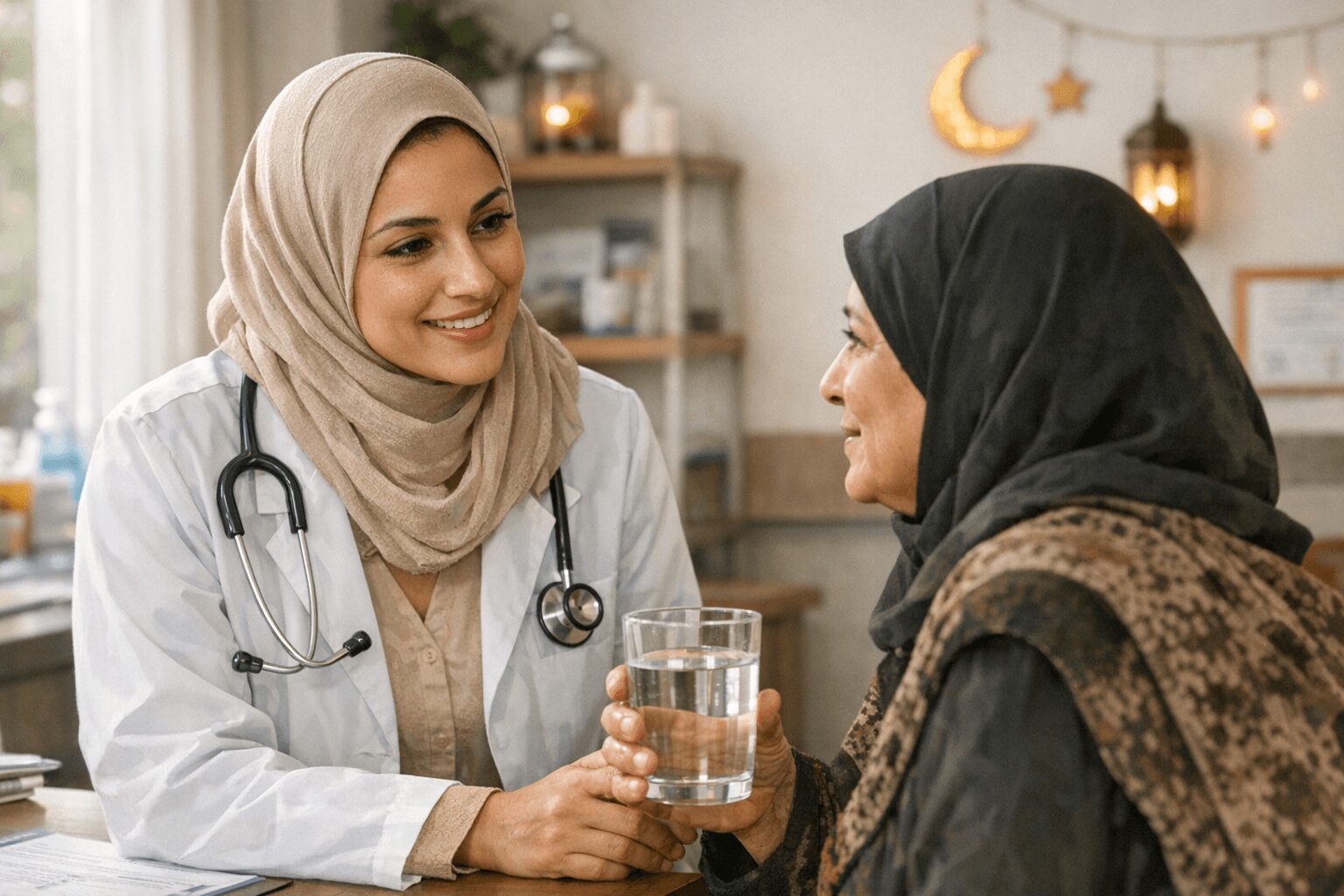
Understanding Health Challenges During Ramadan
Ramadan is a significant month for Muslims worldwide, involving fasting from dawn to sunset. This observance, while spiritually important, presents unique health challenges, particularly for individuals with chronic or acute medical conditions. Fasting can affect medication schedules, hydration, and nutritional intake, which may exacerbate existing health issues or lead to complications such as dehydration, hypoglycaemia, or electrolyte imbalances. Islamic teachings acknowledge exemptions from fasting for those whose health would be endangered, yet many still choose to fast out of devotion. Healthcare providers must therefore adopt culturally sensitive approaches that respect religious practices while ensuring patient safety. Open communication, understanding, and compassionate care are vital to help patients navigate this balance during Ramadan.
The Reality of Health Inequity Highlighted by Ramadan
The experience of fasting during Ramadan also offers a lens to consider wider health inequities. While some individuals manage fasting alongside access to healthcare and medication, many in underserved communities face greater struggles simply to obtain basic medical care. This contrast highlights a fundamental inequality: the capacity to ‘push through’ health challenges is directly linked to access to timely and appropriate healthcare. For many, imposed by economic hardship or geographical barriers, there is no choice but to go without care. Ramadan, with its emphasis on empathy and compassion, reminds us of the gaps in global health equity and the moral imperative to address them.
IHDF’s Model: Free Clinics and Medical Camps in Action
The International Health Development Foundation (IHDF) actively addresses such health inequities through free monthly clinics and annual medical camps, primarily in underserved regions like Bangladesh and Ghana. These initiatives provide comprehensive health assessments, urgent treatment, access to necessary medications, and funded referrals for more advanced care when required. By setting up regular, accessible services, IHDF ensures that vulnerable communities receive essential healthcare without financial burden. These efforts mitigate the risk of untreated illnesses worsening and reduce the burden on overstretched local health systems. The focus on culturally aware service delivery ensures patients feel respected and supported, particularly during sensitive periods such as Ramadan.
Community Giving Translated to Frontline Healthcare
IHDF operates on a 100% donation model, which means every penny donated goes directly to patient care and medical outreach projects. This model is sustained entirely by voluntary medical professionals and community supporters, reinforcing transparency and trust. Compassionate giving through IHDF becomes practical, hands-on assistance that reaches those most in need without administrative overheads detracting from impact. Volunteer clinicians bring their expertise directly to the frontline, offering assessments, treatment, and health education. This approach exemplifies how community generosity translates into effective, equitable healthcare access, making a tangible difference in the lives of individuals and families who might otherwise face prolonged illness or untreated conditions.