
Understanding Fasting and Empathy During Ramadan
Fasting during Ramadan is a spiritual practice observed by Muslims worldwide, where abstaining from food and drink from dawn until sunset is both a physical and reflective exercise. Beyond its religious significance, fasting cultivates empathy by allowing individuals to experience, even if temporarily, the hardships of hunger and thirst that many face daily. This shared experience deepens gratitude for everyday blessings like food, water, and health, fostering a sensitive awareness of those who endure chronic illnesses or lack access to basic necessities. Such empathy naturally encourages acts of charity and kindness, aligning with the teachings of Prophet Muhammad (Peace Be Upon Him) about compassion and care for the vulnerable.
The Reality of Illness in Underserved Communities
While fasting is a mindful choice for the healthy, many people in underserved communities live with untreated illnesses, often without the option to rest or recuperate properly. In areas of Bangladesh, for example, elderly patients, children, and expectant mothers face considerable health challenges due to limited access to medical care. These groups can suffer from conditions that, if left unaddressed, lead to severe complications or even death. Such realities contrast starkly with the temporary discomfort of fasting, underscoring the necessity of reliable healthcare services. The lack of regular medical support exacerbates vulnerabilities, making ailments more difficult to manage and highlighting the broad disparity in health equity.
IHDF’s Medical Outreach in Bangladesh
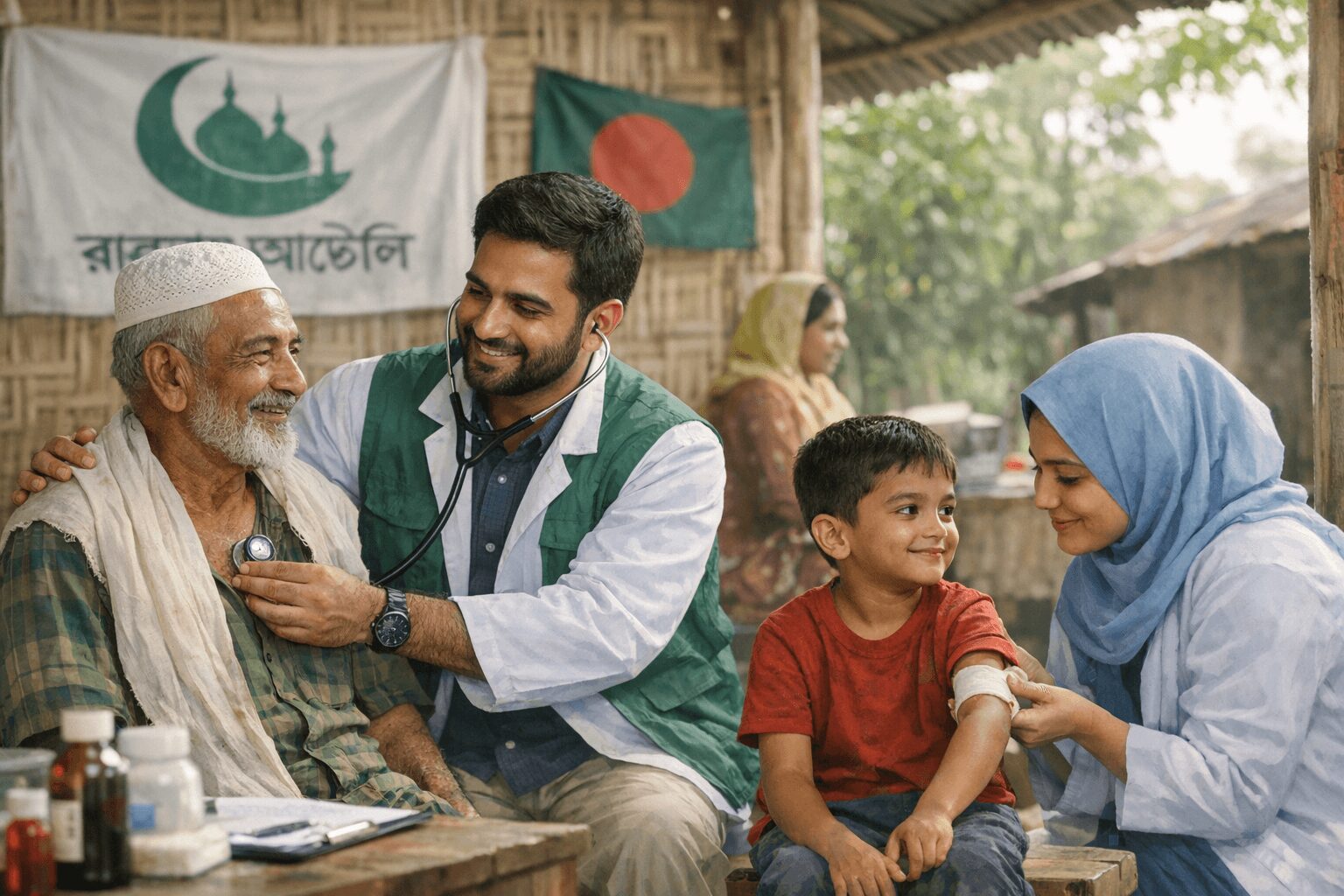
The International Health Development Foundation (IHDF) addresses these challenges through ongoing clinics and large-scale medical camps in some of the most underserved areas of Bangladesh. Staffed by volunteer healthcare professionals from the UK, these initiatives offer vital medical consultations, treatments, and health education at no cost to the patients. The clinics focus not only on immediate care but also on building longer-term health resilience within communities. IHDF’s approach includes maternal health programmes, cataract screenings, water purification efforts, and first aid training—all of which work together to improve health outcomes. By bringing medical expertise directly to those in need, IHDF bridges the gap between vulnerable populations and essential healthcare services.
The Impact of a Clinic Visit
For many patients, a visit to an IHDF clinic can be life-changing. An elderly patient burdened with chronic pain or untreated conditions receives diagnosis and medication that can restore mobility and independence. Children coming to the clinics benefit from early detection of preventable diseases and the chance to grow stronger and healthier. Expectant mothers gain access to prenatal check-ups and advice that significantly reduce risks during pregnancy and childbirth. These encounters not only address immediate health issues but also provide reassurance and hope in otherwise isolating circumstances. The personal stories from clinic visitors reveal a profound gratitude for care that is both free and compassionate, offering dignity and practical health improvements that ripple through families and communities.