
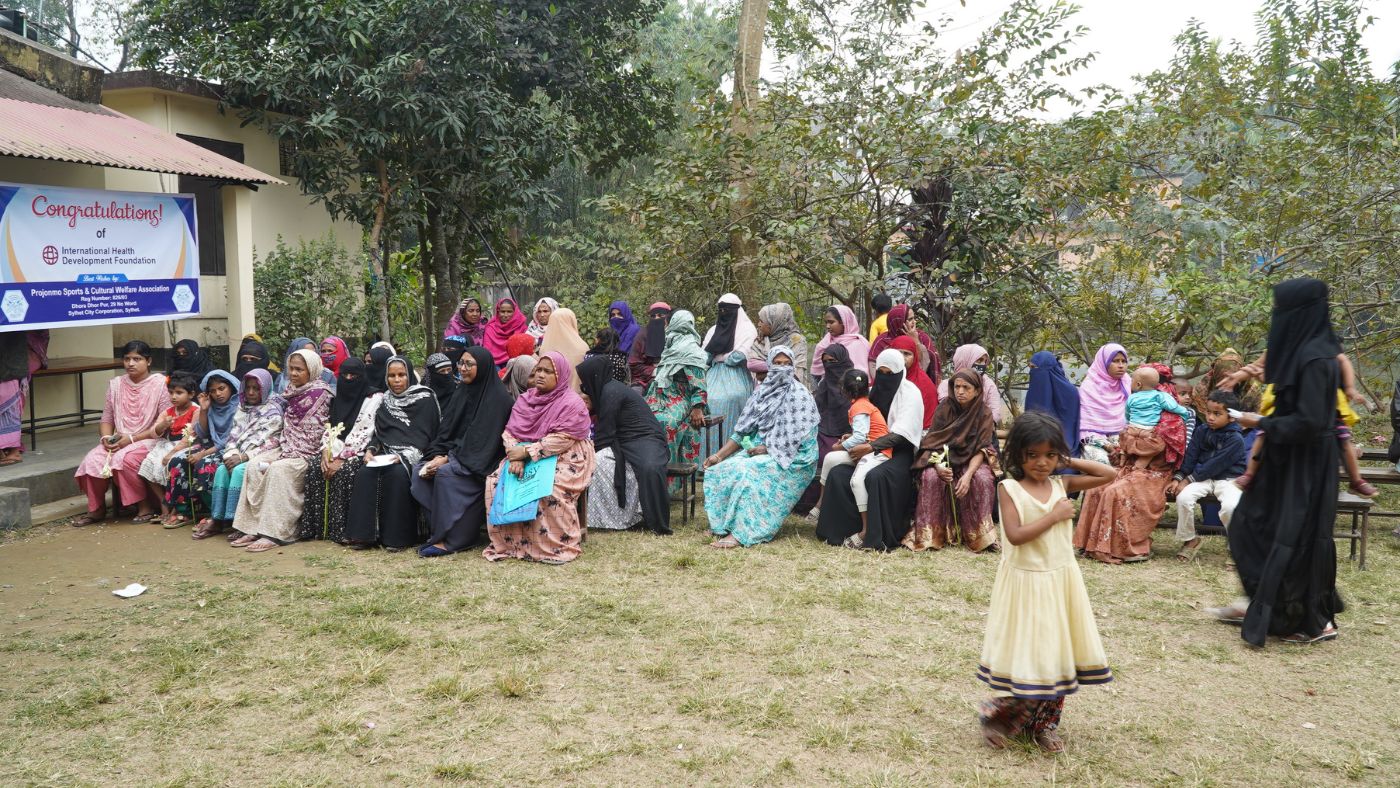
Mapping IHDF’s Clinic Network Across Rural Bangladesh
The International Health Development Foundation (IHDF) runs a network of six free medical clinics strategically placed across rural Bangladesh. These locations include Moulvibazar, Mohammedpur, Thakurgaon (monthly), Goala Bazar, Gobindagonj, and Fenchugonj (weekly sponsored). Each site has been carefully selected to address specific healthcare gaps in underserved regions, ensuring both geographic and demographic coverage aligned with local needs.
Moulvibazar, nestled in the Sylhet Division, serves a largely agrarian community with limited access to regular healthcare facilities. Mohammedpur, situated in a densely populated rural area, faces significant constraints in terms of healthcare infrastructure. Thakurgaon operates as a monthly clinic offering essential services in a remote sub-district where travel to hospitals can require lengthy journeys. Goala Bazar and Gobindagonj are positioned to support populations facing economic challenges and limited public health resources. Lastly, the Fenchugonj clinic, running on a weekly sponsored basis, caters to a particularly poor district where healthcare demand often exceeds supply.
Criteria for Selecting Clinic Locations
IHDF’s site selection process is grounded in a clear evaluation of population needs, poverty levels, healthcare accessibility, and community partnerships. The population in these regions often lacks access to nearby hospitals, with some villages located many kilometres from the closest medical centre. Poverty further restricts healthcare uptake, making free clinics essential.
For example, regions like Thakurgaon and Fenchugonj were chosen because large segments of the population live below the poverty line, with minimal health service availability. Distance from hospital facilities is a key consideration; many patients cannot afford travel costs or time away from work to reach urban health centres.
In addition, the availability of local partners and trusted community sponsors influences site sustainability. Weekly sponsored clinics, like the one in Fenchugonj, are supported by local donors allowing for more frequent service provision. Collaborating with local organisations strengthens IHDF’s ability to maintain regular operations amid resource constraints.
Clinic Operations and Service Models
IHDF employs two main clinic models: monthly clinics and weekly sponsored clinics. Monthly clinics, such as those in Thakurgaon, focus on comprehensive medical check-ups, basic diagnostics, maternal health support, and provision of medications for common ailments. They operate on a scheduled basis, leveraging volunteer healthcare professionals who travel from urban centres.
Weekly sponsored clinics, exemplified by Fenchugonj, provide more regular outpatient services. These clinics tend to have a narrower but consistent scope focusing on primary care, dispensing essential medicines, and health education on preventive measures. The support from local sponsors enables increased frequency of visits, responding dynamically to patient needs.
Coordination across these multiple sites with limited resources requires efficient planning. IHDF prioritises resource allocation based on patient volume and urgency of care needs, rotating volunteer teams and medical supplies in line with scheduled clinics. Communication with local partners ensures timely logistics management to maintain service continuity.
Patient Demographics and Regional Healthcare Needs
The demographics and health challenges IHDF addresses vary significantly by region. For example, in Moulvibazar, many patients are elderly or with chronic conditions who have difficulty accessing ongoing treatment. Mohammedpur sees higher numbers of maternal health cases requiring prenatal care and nutritional support. Thakurgaon experiences typical patterns of rural illnesses, including infectious diseases and injuries related to agricultural work.
Goala Bazar and Gobindagonj face widespread poverty-related conditions such as malnutrition and untreated respiratory infections. The weekly clinic in Fenchugonj often deals with acute cases needing immediate intervention, as well as health education to prevent disease outbreaks.
Across all locations, IHDF adapts its services to locally prevalent conditions and demographics. This tailored approach enhances healthcare access for diverse rural populations, mitigating the substantial barriers posed by poverty, distance, and limited infrastructure. As a result, IHDF’s clinics improve the reach and quality of rural healthcare in Bangladesh, ensuring vital medical support is available to thousands of patients annually.