
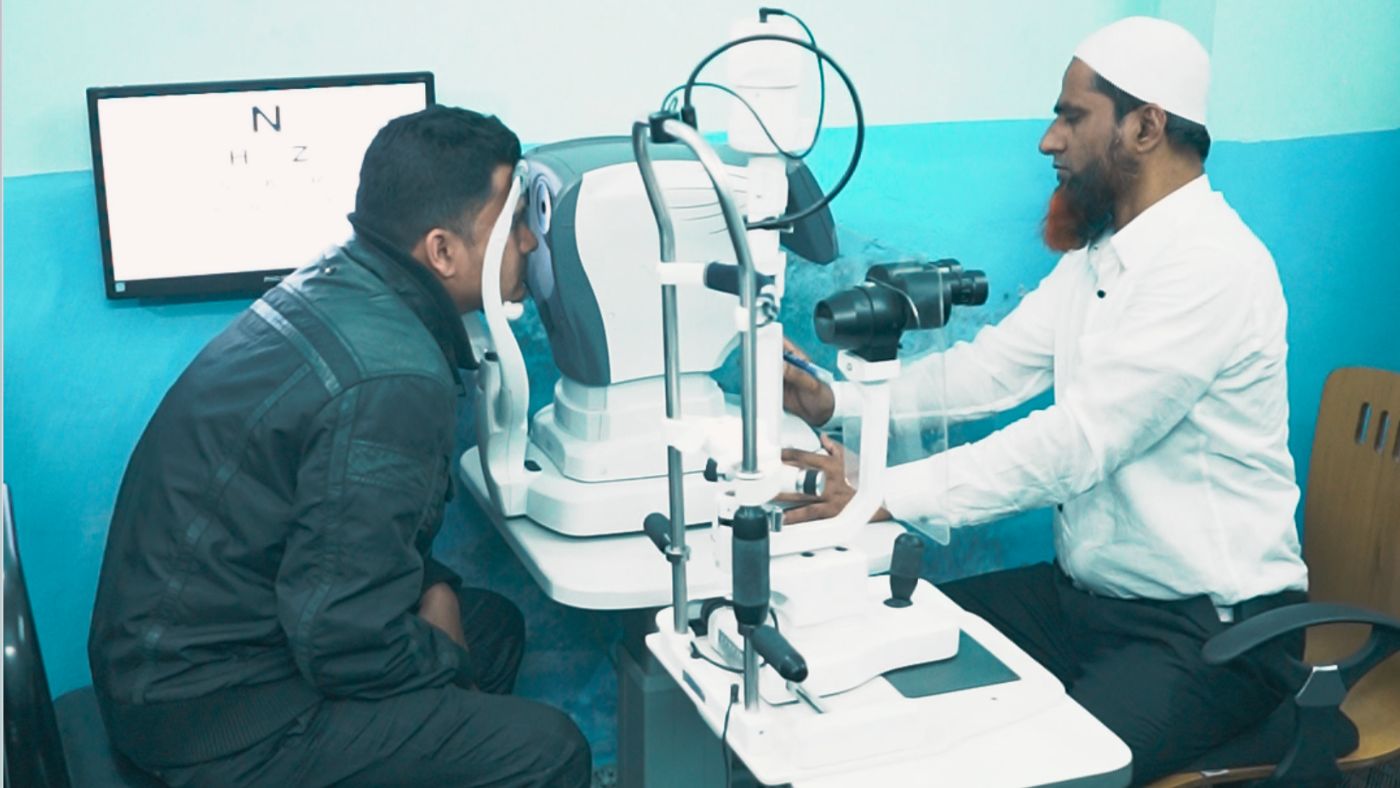
Cataract Screening and Referral: IHDF’s Approach
At the International Health Development Foundation (IHDF), cataract screening is a vital part of our medical outreach in underserved communities, particularly in Bangladesh and Ghana. Our approach begins with community-based screening clinics, where volunteer medical professionals assess individuals, often in rural or low-income areas, for signs of cataract-related vision impairment. Through carefully designed outreach programs and partnerships with local health workers, those identified with cataracts are referred promptly to surgical centres equipped to provide free cataract surgery. Prior to surgery, patients receive thorough preparation, including counselling on the benefits, risks, and postoperative care. This structured referral system ensures continuity of care from diagnosis through to recovery, minimising barriers such as travel costs and lack of awareness.
Life After Surgery: Regaining Independence and Everyday Function
Cataract surgery significantly changes lives by restoring vision that has been lost due to lens clouding. For individuals, restored sight means reclaiming the ability to perform everyday tasks independently—such as cooking, cleaning, or moving safely around their environment. This renewed independence is especially crucial in communities where assistive resources are limited. Many patients return to income-generating activities such as farming, craftsmanship, or market work, thus supporting their families financially. Furthermore, the ability to care for children and elderly relatives is often restored, improving both the individual’s and the household’s well-being. The psychological benefits are also noteworthy; restored sight often brings renewed confidence and social engagement, reducing feelings of isolation.
Social Benefits of Vision Restoration in Low-Income Communities
The impact of cataract surgery extends well beyond the individual patient to the wider community. When people regain their vision, they can participate more fully in social and cultural activities, strengthening community ties. Children benefit indirectly when caregivers can see clearly again, as these caregivers are better able to support children’s education and health. Improved vision also allows patients to travel more safely and comfortably to communal events or markets. In education, parents with restored sight are more likely to support their children’s schooling and access health or social services. Ultimately, these social benefits contribute to greater community cohesion and resilience.
Economic Impact: Vision Restoration as a Path to Poverty Reduction
The economic consequences of cataract surgery are significant in low-income settings. Vision impairment often forces individuals to stop working or limits their productivity, increasing economic vulnerability. Post-surgery, many patients resume work or start new income-generating activities, which directly enhances household income. This increased productivity reduces the economic burden on family members who might otherwise need to provide care, freeing them to engage in their own work or education. Vision restoration also lowers health-related costs associated with injury or complications from poor sight. Collectively, these effects support poverty reduction by improving the economic stability of individuals and communities, contributing to a healthier, more productive society.Source: International Agency for the Prevention of Blindness Source: World Health Organization