
IHDF’s Healthcare Mission in Bangladesh
The International Health Development Foundation (IHDF) has long focused on delivering essential healthcare services to underserved rural communities in Bangladesh. Through its free medical camps, IHDF provides consultations, treatments, and medicines to those with limited access to healthcare facilities. These camps often target remote areas where public health infrastructure is scarce or inadequate.
The impact of these medical camps is measurable and significant. IHDF’s programmes have contributed to improved maternal health outcomes by offering prenatal and postnatal care, significantly reducing infant and maternal mortality rates. Chronic and infectious diseases are diagnosed and treated early, preventing complications. Moreover, cataract screenings and eye care clinics have helped restore sight for many individuals, enhancing their quality of life and ability to work.
IHDF’s volunteer medical professionals, supported by community health workers, not only provide treatment but also deliver health education, fostering preventive health behaviours that contribute to lasting community benefits. This combined approach of direct care and health literacy has helped address health disparities in rural Bangladesh effectively.
The Need for Expansion to Ghana
Following the success in Bangladesh, IHDF is preparing to expand its healthcare services to Ghana. Ghana faces similar healthcare challenges, notably in rural and underserved regions where many communities have limited access to medical facilities and qualified healthcare providers.
Key healthcare issues in Ghana include a high burden of infectious diseases such as malaria, limited maternal and child health services, and inadequate access to specialist care. The shortage of health workers in remote areas often leaves vulnerable populations without essential medical attention.
Introducing IHDF’s model of free, mobile medical camps and community-focused healthcare delivery in Ghana offers potential benefits. This approach can bring targeted health interventions directly to those in need, reduce barriers to access, and complement existing health systems. By delivering preventive care, early diagnosis, and treatment, IHDF can contribute to improved health outcomes and community resilience.
Partnerships and Collaboration for Safe Healthcare
IHDF recognises that effective and accountable healthcare delivery in new regions depends on strong collaboration with trusted local partners. In Ghana, IHDF is working closely with local health authorities, community organisations, and experienced healthcare workers to ensure services are culturally appropriate, safe, and aligned with national health priorities.
These partnerships facilitate the exchange of knowledge and resources, helping IHDF conform to local regulations and optimise its interventions. Working alongside government health departments ensures IHDF’s activities complement rather than duplicate existing services, supporting a coherent healthcare strategy.
Moreover, engaging community leaders and health workers helps tailor programmes to the specific needs and customs of local populations. This culturally sensitive approach improves trust and participation in IHDF’s clinics and health initiatives. Such collaboration reflects best practice in international health development, emphasizing sustainability and local ownership.
Preparing for Impact: IHDF’s Strategy in Ghana
To establish a meaningful presence in Ghana, IHDF is undertaking careful preparation. This includes identifying priority areas with unmet healthcare needs through collaboration with national and regional health authorities.
IHDF is investing in training local health workers to support medical camps and eventual permanent facilities. This capacity building is crucial for maintaining quality care and fostering local expertise beyond IHDF’s direct involvement.
Medical equipment and supplies are being sourced and donated to equip clinics with necessary diagnostic and treatment tools. These donations are chosen following consultations with Ghanaian partners to match local health challenges and infrastructure capacities.
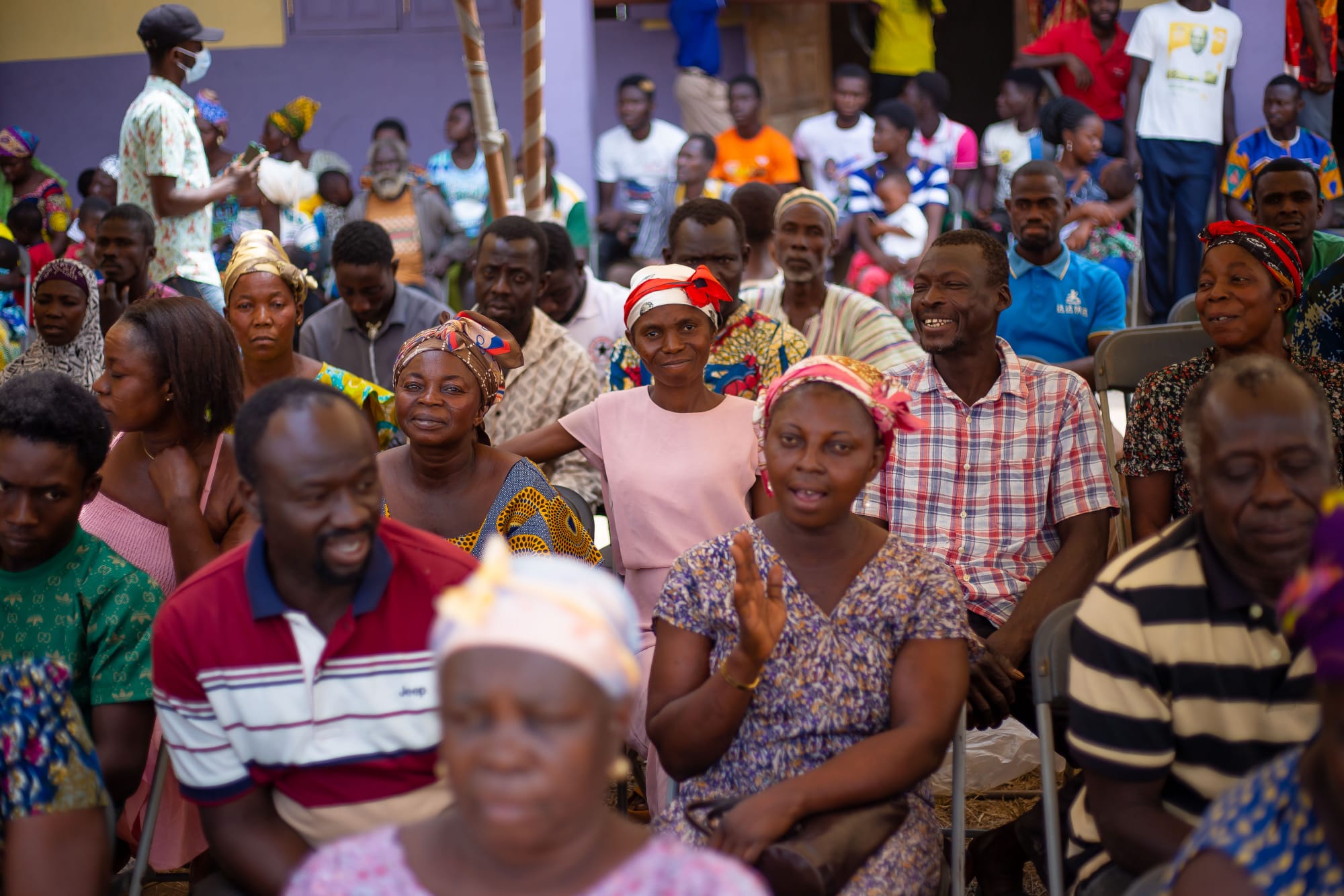
Community engagement forms a key part of IHDF’s strategy. Before launching services, IHDF professionals are holding meetings with community members to raise awareness, gather input, and encourage participation. This helps align services with patient needs and promotes utilisation.
By combining practical logistics with collaboration and local empowerment, IHDF aims to replicate and build upon the successes achieved in Bangladesh, ultimately delivering sustainable improvements in healthcare access and outcomes for Ghanaian communities.